Monthly Specials
 Earn apicare reward points with every purchase
 Free shipping on all NZ orders over $80
-

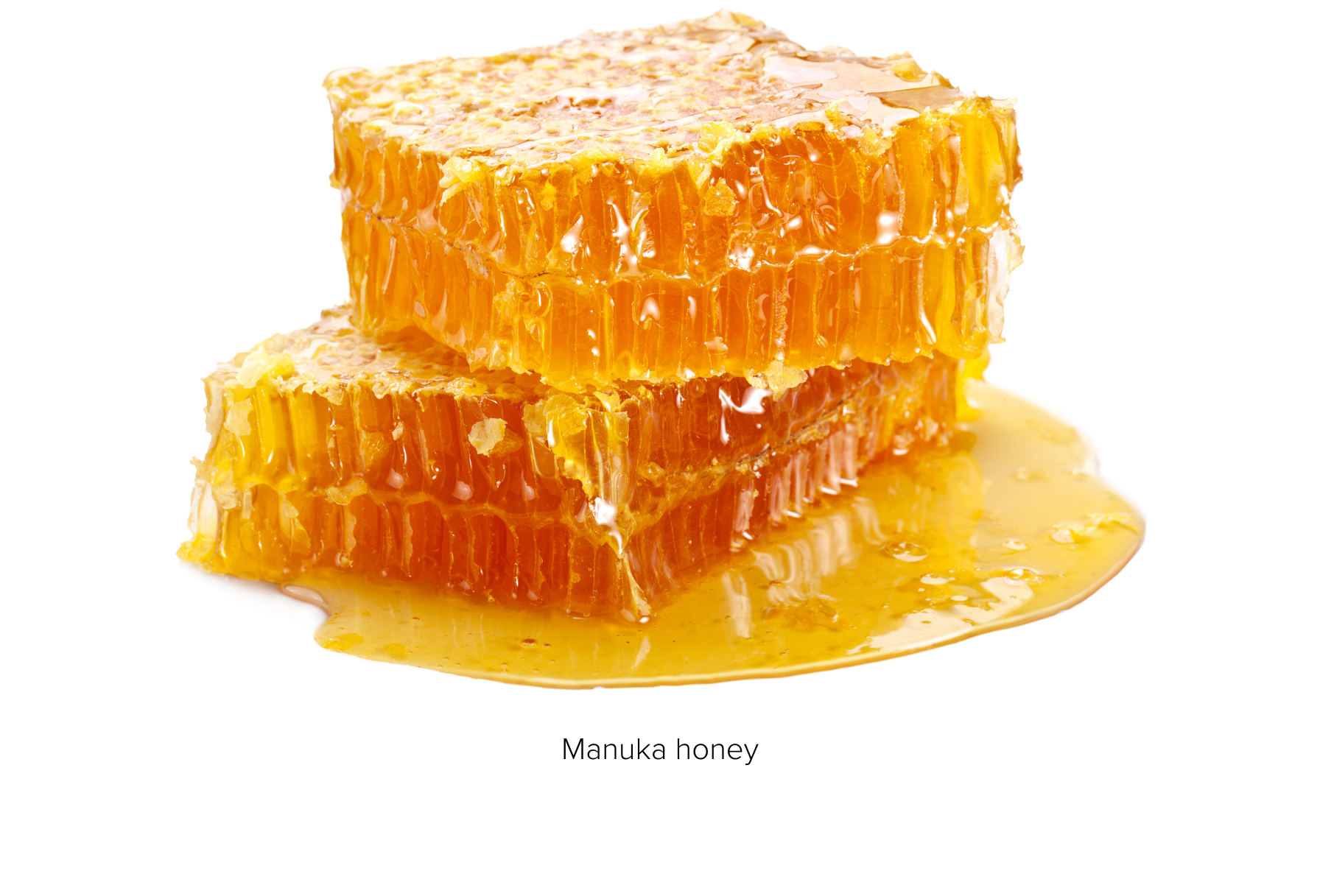
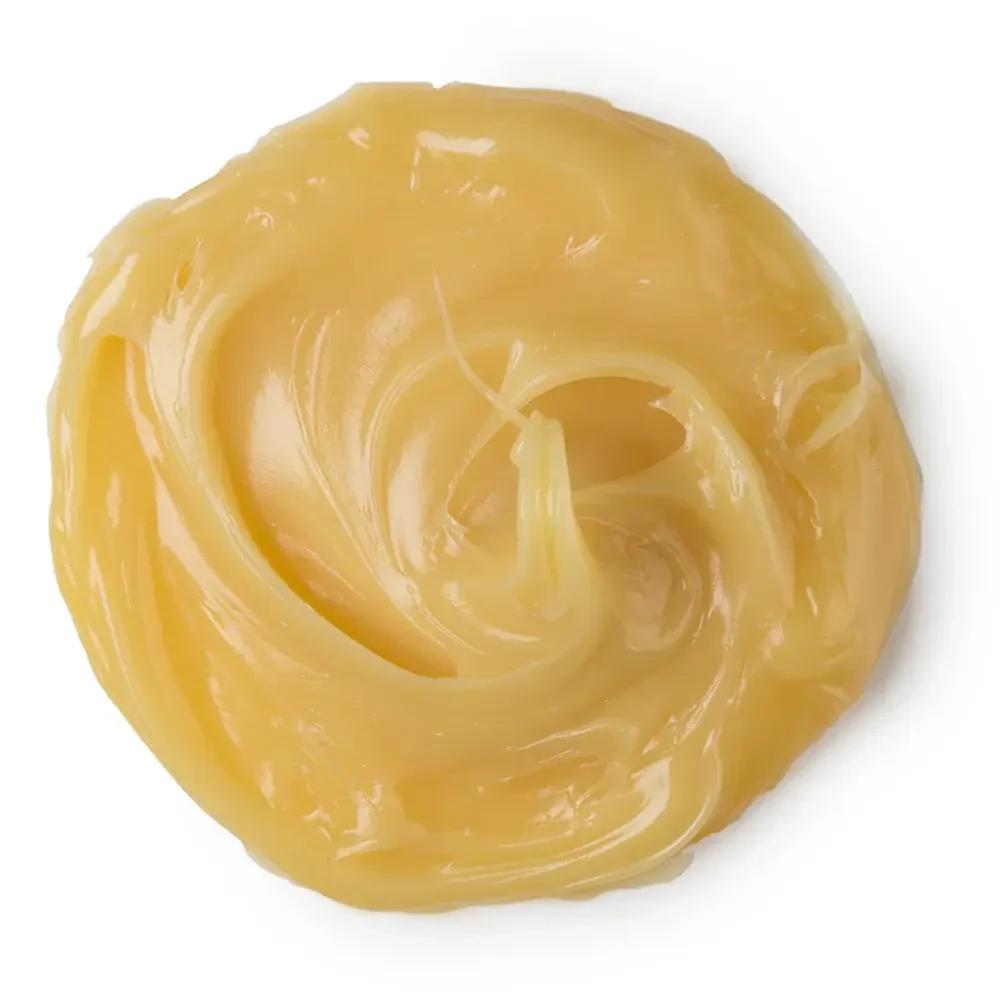
Mānuka Honey
Leptospermum scoparium (Mānuka) Honey
Mānuka honey benefits the skin by acting as a natural humectant that hydrates and softens the skin, while its antibacterial and anti-inflammatory properties help alleviate acne and soothe irritation. It also contains antioxidants that protect against premature aging and can support collagen production, leading to a more glowing, youthful complexion.
Hydration and softening. Mānuka honey acts as a natural humectant, attracting and retaining moisture to keep the skin hydrated, soft, and supple.
Forms a protective barrier: It helps the skin retain moisture and can improve dryness and leave your complexion feeling radiant.
Acne and blemish control: Its high concentration of antibacterial compounds helps prevent acne-causing bacteria and can be used as a spot treatment for blemishes.
Mānuka honey calms irritation and reduces redness associated with acne and other inflammatory skin conditions.
Rich in antioxidants; Mānuka honey contains antioxidants that help protect the skin from free radicals, which can cause premature aging.
Promotes collagen production: It helps support collagen production, which is vital for maintaining skin firmness and elasticity.
Exfoliates and brightens: By gently exfoliating dead skin cells and unclogging pores, it can reveal a smoother, more transparent, and more luminous complexion. -

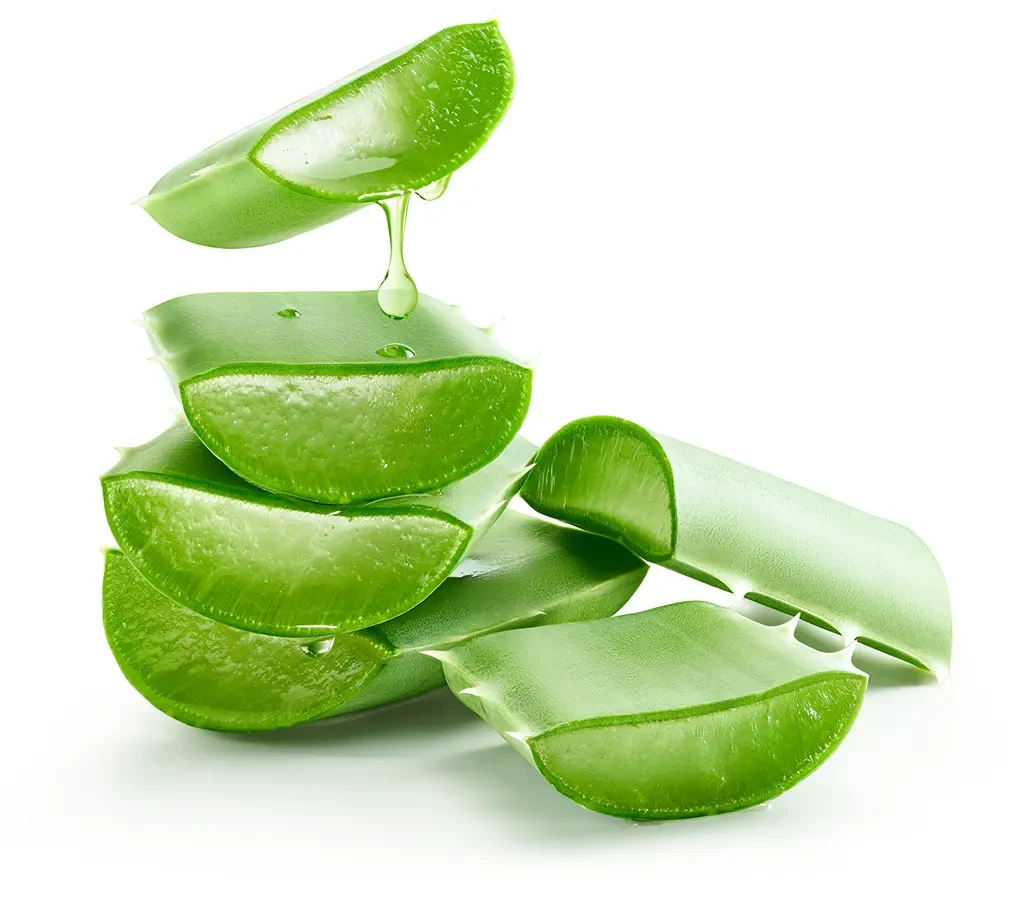
Aloe Vera
Aloe Vera has long been considered an effective soothing and healing ingredient for the treatment of burns and skin injuries. Research has identified several reasons why Aloe Vera aids wound healing. It contains antibacterial, antifungal, and antiviral compounds that help prevent wound infections and aid in wound healing. Additionally, it contains immune-stimulating and anti-inflammatory compounds that stimulate collagen synthesis and promote skin regeneration. Aloe Vera gel contains Vitamins A, B12, and E, plus the minerals zinc, magnesium, and calcium, as well as fatty acids, amino acids, and is naturally rich in Vitamin C.
-

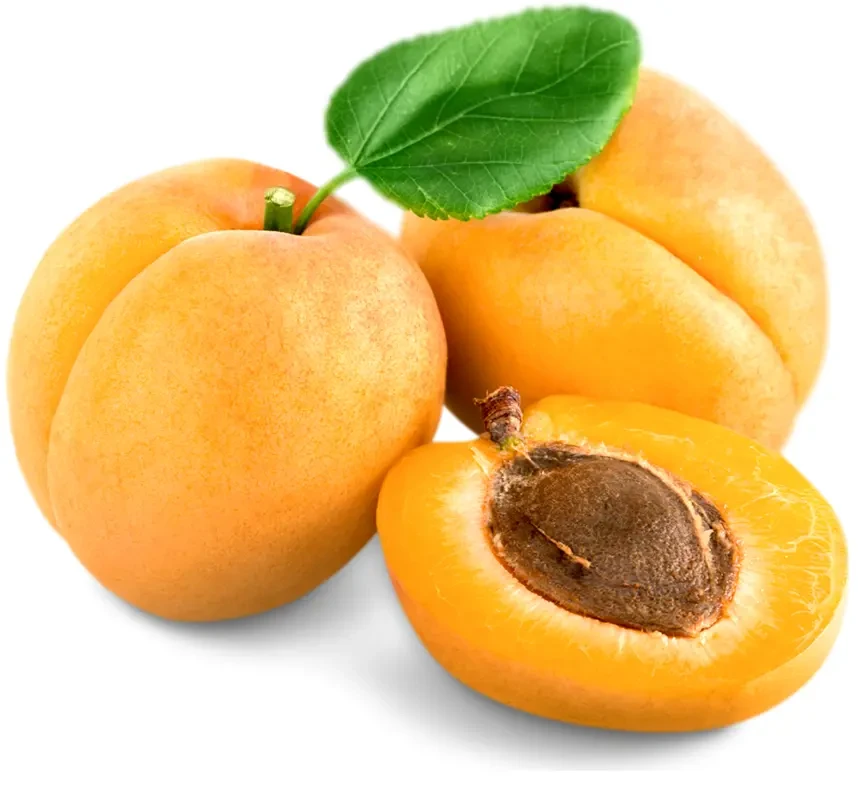
Apricot Kernel
Prunus Armeniaca (Apricot) Kernel Oil
Lightweight and well absorbed by the skin, suited for normal/combinations skins.
Emollient, moisturising, and high in essential fatty acids, this is a great skin conditioning oil. -

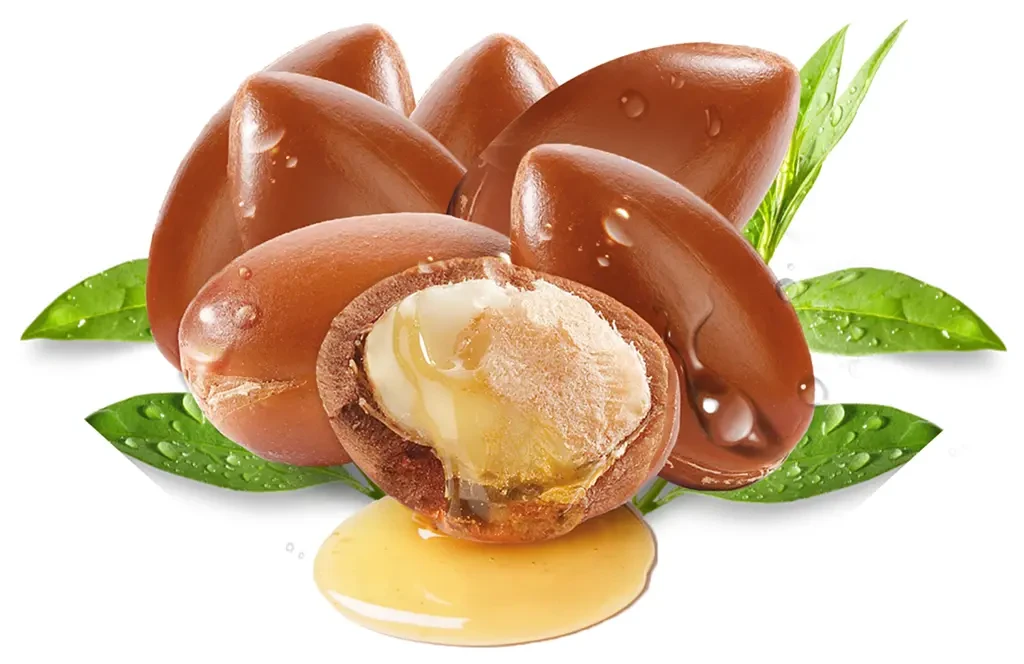
Argan Oil
Argania Spinosa Kernel Oil
Moisturising and softening; rich in oleic and linoleic acid.
Repairs damaged skin, especially after sun exposure.
Rich in unsaturated fatty acids (oleic, linoleic) and with antioxidant content (tocopherols, sterols). -

Arnica
Arnica is a herb from the Asteracea botanical family (part of the same family as the sunflower) with orange-yellow daisy-like flower heads. It is commonly found in the northern hemisphere, and the dried flower heads have long been used as an astringent and to treat skin disorders. With Anti-inflammatory and soothing effects, Arnica is especially good for under-eye circles, chapped lips or irritated nostrils.
-

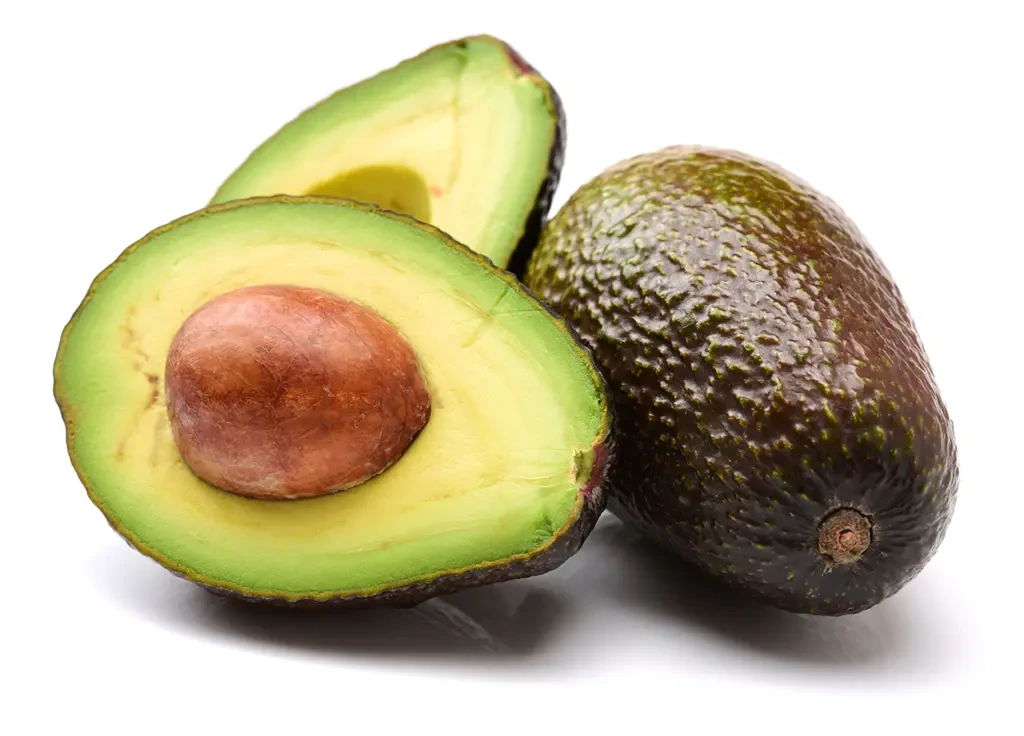
Avocado Oil
Persea Gratissima (Avocado) Oil
Moisturising, emollient, superior skin penetration, rich in vitamins A,C,D,E and proteins, making Avocado ideal for dry/mature skin. Rich in palmitoleic (fatty)acid.
Rich in monounsaturated fats (oleic) and vitamins A, D, E and carotenoids, helping reduce trans epidermal water loss. -

Bakuchiol
Bakuchiol benefits include reducing fine lines and wrinkles, improving skin texture and elasticity, and evening out skin tone, all with less irritation than retinol. It works by boosting collagen and cell turnover and has antioxidant, anti-inflammatory, and antibacterial properties, making it suitable for sensitive skin and safe for daytime use.
Reduces fine lines and wrinkles: Like retinol, bakuchiol stimulates collagen production, which plumps the skin and makes wrinkles less noticeable. -

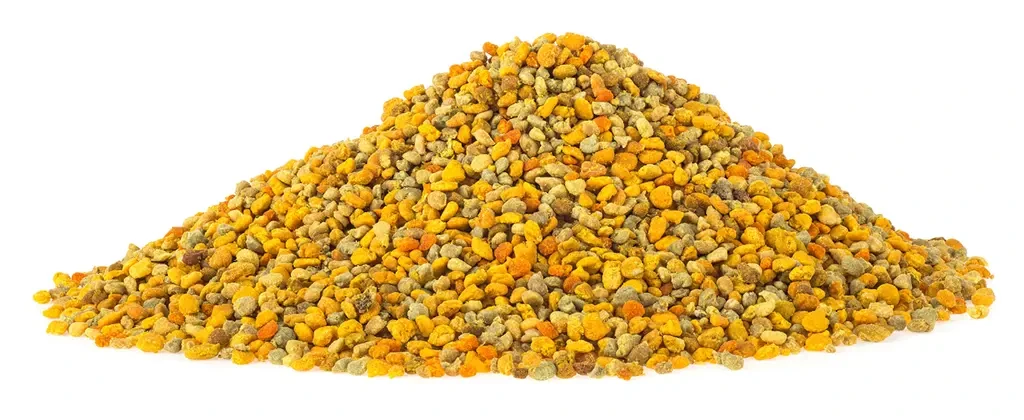
Bee Pollen
Bee pollen is a mixture of flower pollen, nectar, enzymes, honey, wax, and bee secretions. It's nutrient-rich and contains vitamins, minerals, proteins, and antioxidants, making it potentially beneficial for your skin.
Bee pollen is rich in vitamins and minerals, which can nourish and revitalize your skin.
The antioxidants in bee pollen may help protect your skin from oxidative stress and environmental damage. -

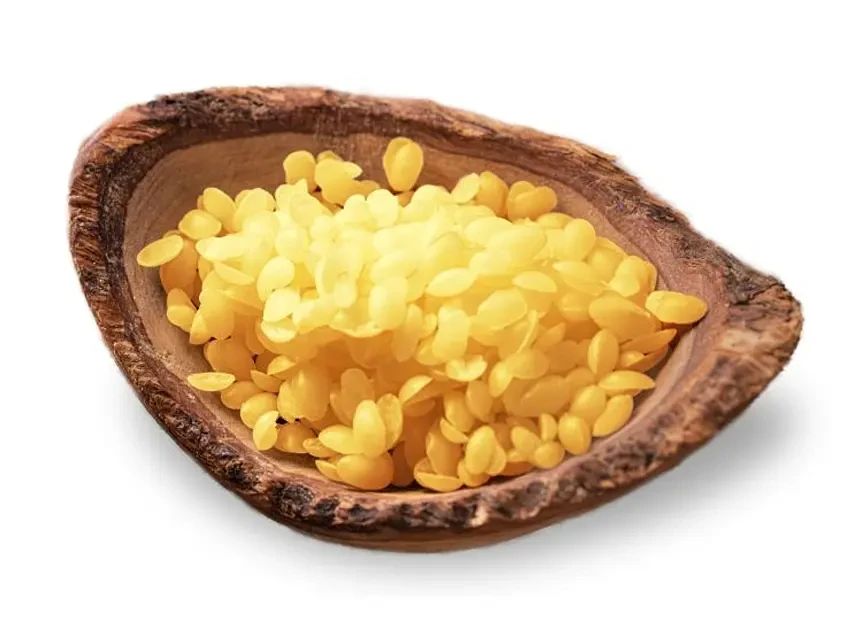
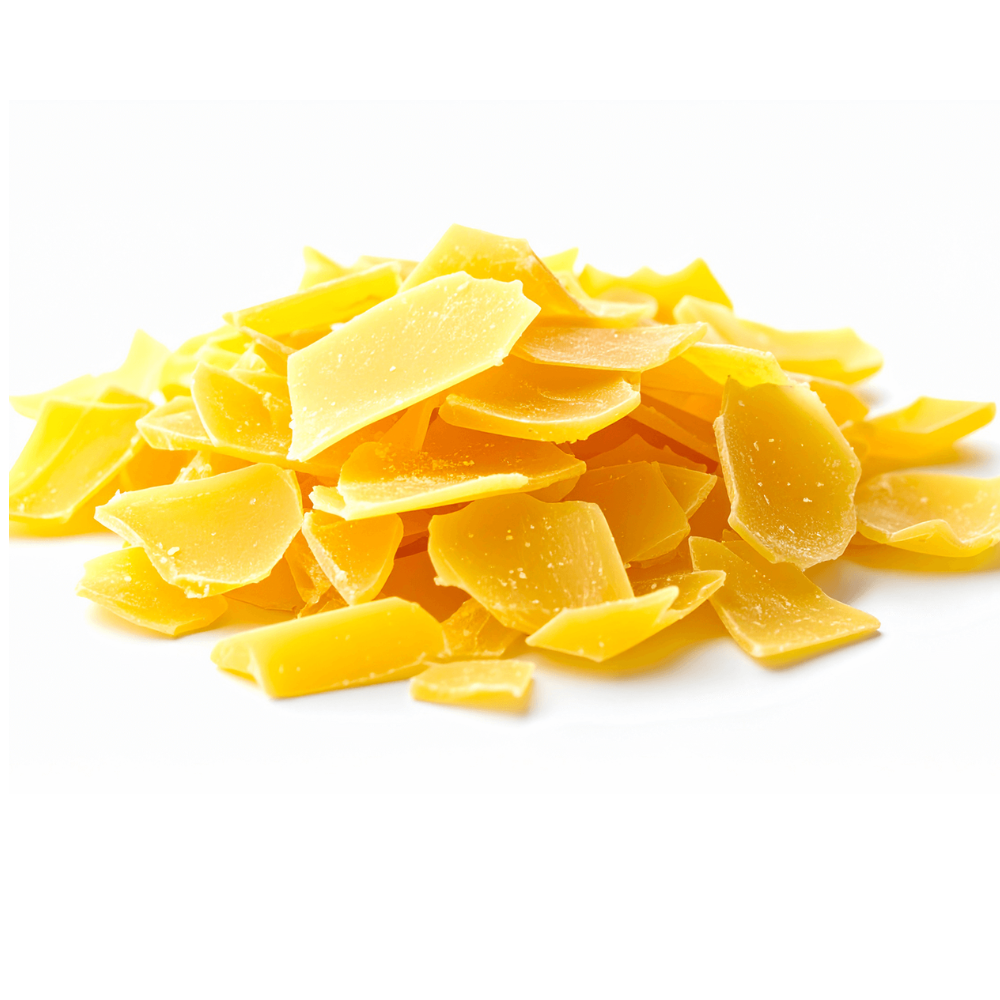
Beeswax
Beeswax benefits the skin by creating a protective, breathable barrier that locks in moisture, which can help soften the skin and aid in the healing of minor wounds. It also contains antioxidants and has anti-inflammatory and antibacterial properties that can soothe irritation, combat acne, and reduce signs of aging by improving skin elasticity and hydration.
Beeswax creates a natural, protective layer on the skin that shields it from environmental pollutants and harsh weather, while allowing the skin to breathe.
Regular use can lead to plumper skin with improved elasticity, helping to diminish the appearance of stretch marks and scars. -

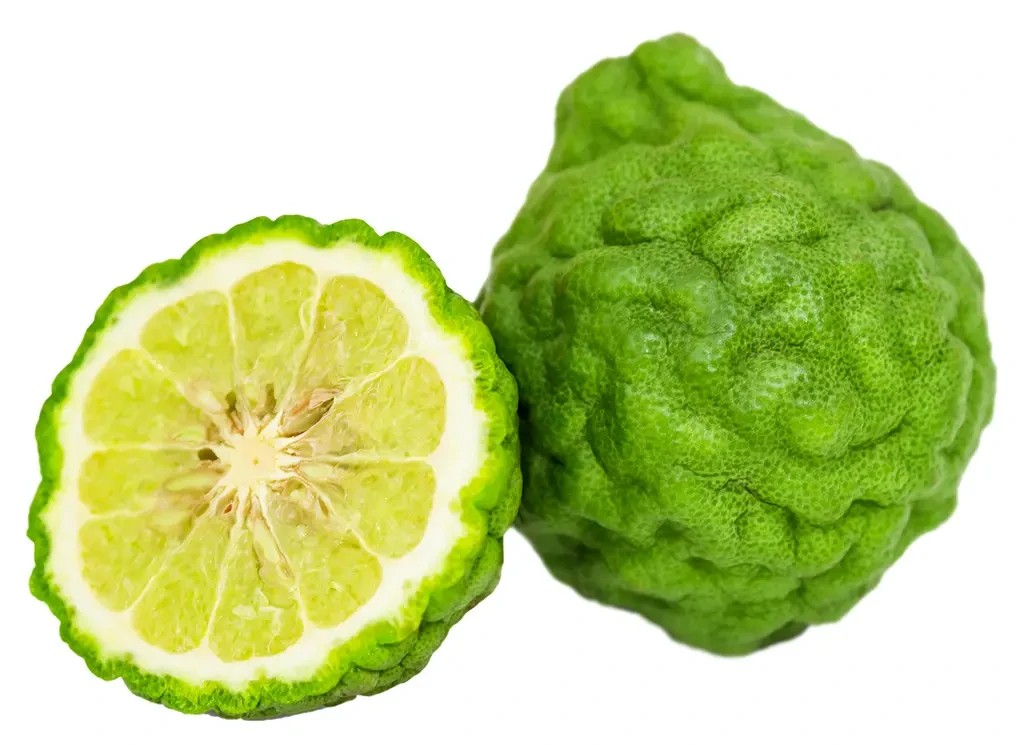
Bergamot
Citrus Aurantium Bergamia (Bergamot) Peel Oil
Reduces inflammation and soothes irritation: Bergamot's anti-inflammatory compounds help calm irritated or inflamed skin and can reduce redness from blemishes or conditions like psoriasis.
Promotes clearer, brighter skin: By combating oil and fighting microbes, bergamot can help treat and prevent blemishes, leading to a fresher and more supple appearance. -

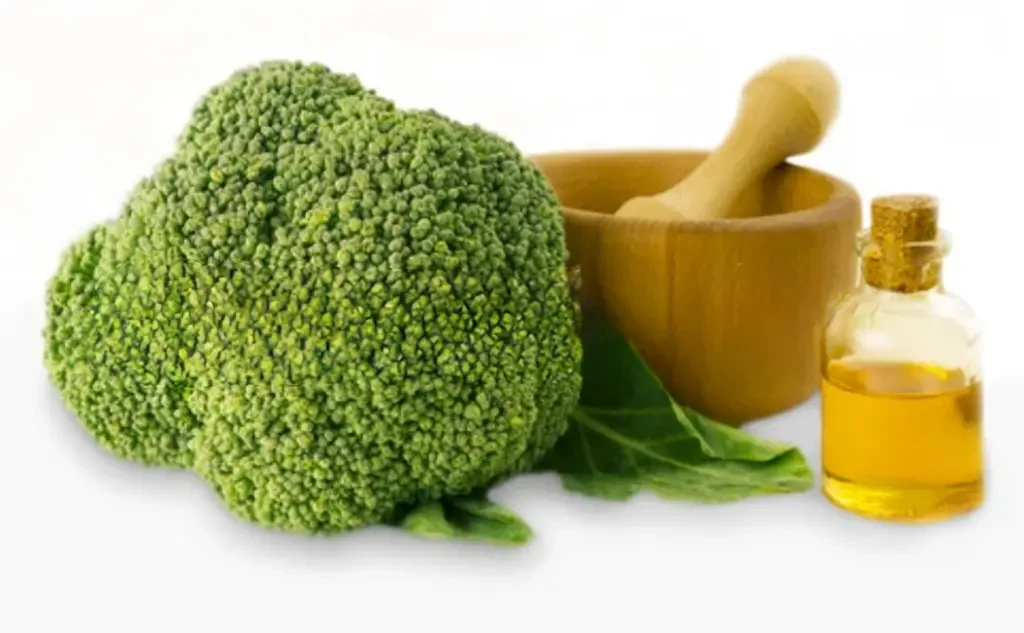
Broccoli Seed Oil
Brassica Oleracea Italica (Broccoli) Seed Oil
Moisturises and hydrates: Rich in fatty acids like oleic and linoleic acid, it hydrates the skin and helps lock in moisture without clogging pores.
Natural silicone alternative: It creates a smooth, protective film on the skin, providing a natural glow similar to silicones but without the synthetic residue. -

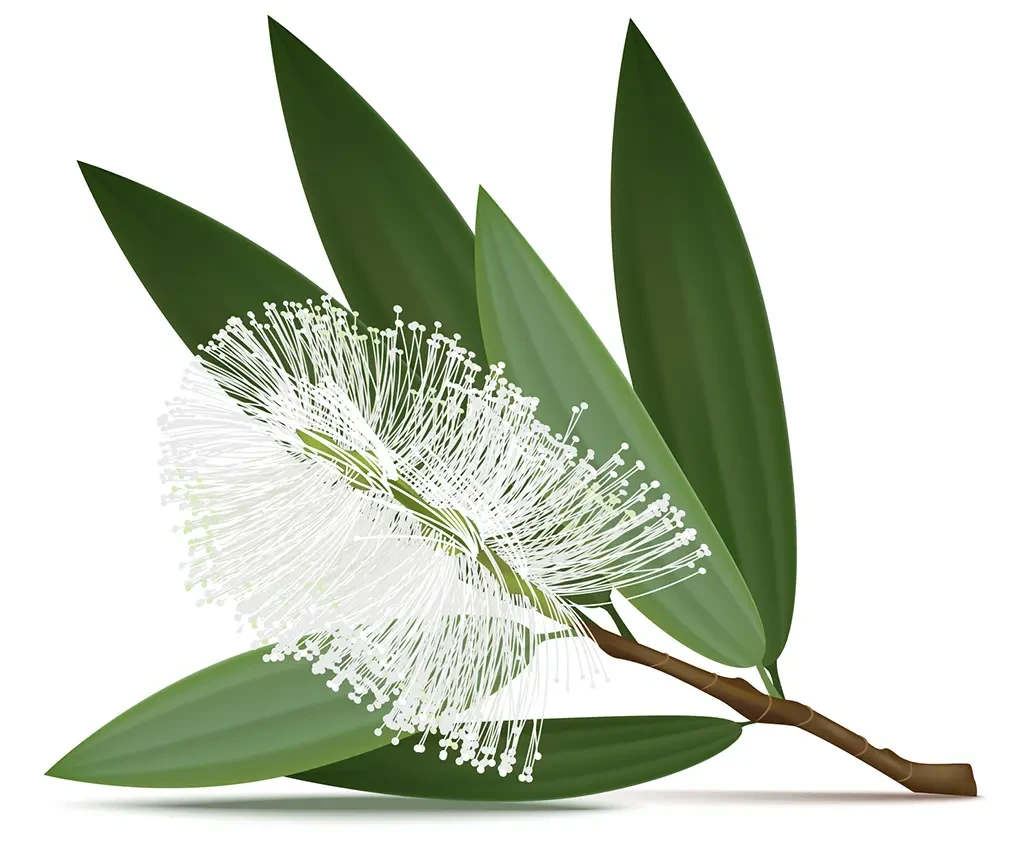
Cajeput
Cajeput essential oil is a known counter-irritant, meaning it is applied externally to the skin, where it produces a mild inflammation. The stimulation of the sensory organs of the skin helps reduce the awareness of pain from other areas, such as the muscles, joints and ligaments below. There is a long history of cajeput being used to help reduce pain and inflammation, as well as in inhalants and decongestants.
-

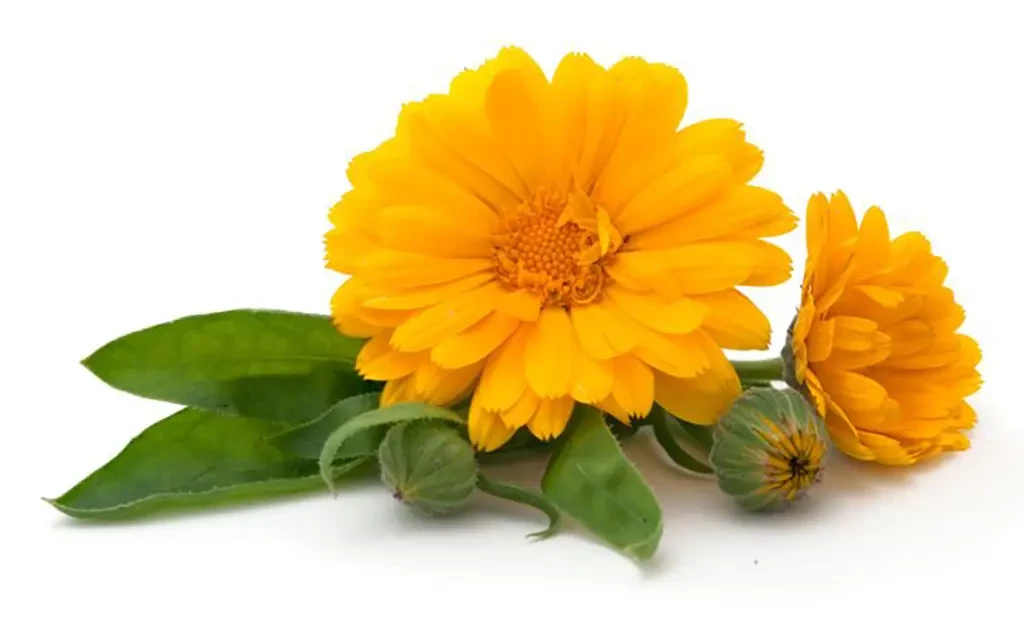
Calendula
Calendula is widely known as a healing herb due to its gentle, cooling and soothing properties. High in carotenes, phytosterols and polyphenols. Calendula oil promotes skin healing & cell regeneration.
Five significant steps occur in our skin's healing process. Calendula, with its potent and complex array of phytonutrients, helps facilitate the healing cycle every step of the way.
Calendula reduces tissue inflammation by inhibiting lipoxygenase and enzymes that damage cell wall structure. It contains high amounts of flavonoids, plant-based antioxidants that protect the body against free radical cell damage.
Calendula oil is beneficial for all skin types. It is an excellent remedy for various skin conditions, including wounds, scars, abrasions, skin inflammation, dry and damaged skin, diaper rash, Eczema, and everyday itchy skin irritations. -
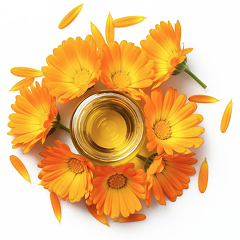
Calendula Flower Oil
Derived from the vibrant petals of the Calendula officinalis (also known as marigold), Calendula Flower Oil is a powerhouse botanical known for its soothing, anti-inflammatory, and skin-healing properties. Rich in antioxidants and flavonoids, this golden oil gently calms irritation, reduces redness, and supports skin recovery, making it ideal for sensitive or compromised skin.
-

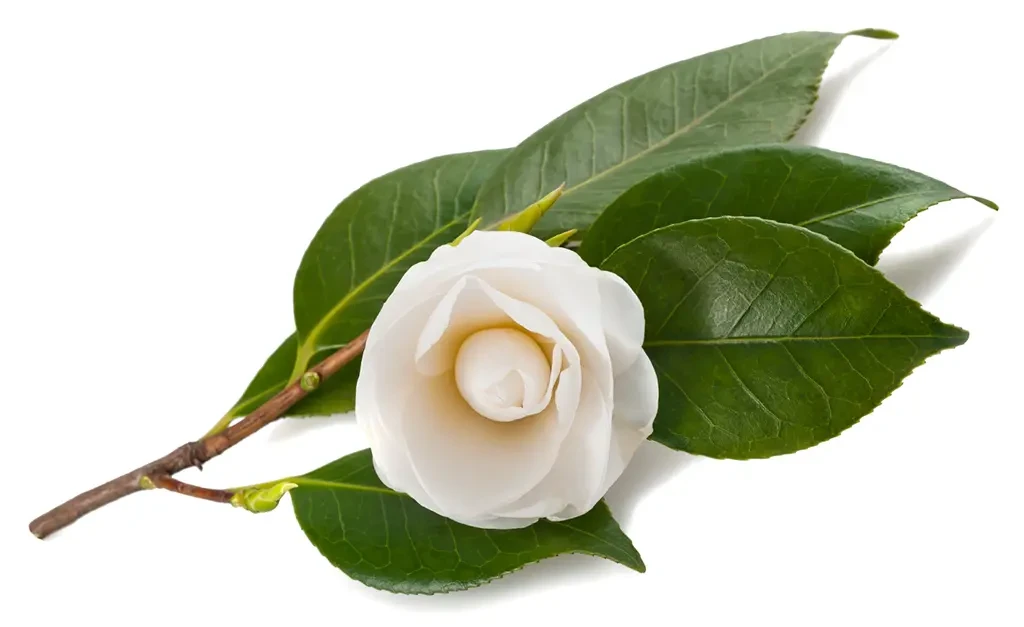
Camellia
Camellia Oleifera Seed Oil
Camellia seed oil benefits the skin by deeply moisturising it, reducing inflammation, and providing antioxidant and anti-aging effects. It is rich in fatty acids like oleic acid, vitamins (A, B, E), and squalene, which improve the skin's barrier, soothe sensitivity, and can even help fade dark spots. The oil is lightweight, absorbs quickly, and is suitable for most skin types, including sensitive and dry skin. -

Capsium Oleoresin
Capsicum oleoresin essential oil can provide joint relief primarily through its main active ingredient, capsaicin, which offers both analgesic and anti-inflammatory benefits. It works by desensitising pain receptors, which temporarily blocks pain signals, and can also reduce inflammation associated with conditions like arthritis.
Capsaicin acts on the nervous system to block pain signals. -

Carnauba Wax
Copernicia Cerifera (Carnauba) Wax
Carnauba wax benefits the skin by acting as a natural emollient that moisturises, forms a protective barrier against environmental stressors, and contributes to a smoother texture. It also has hypoallergenic properties, is non-comedogenic (won't clog pores), and is rich in antioxidants.
Hypoallergenic: It is gentle on the skin and suitable for sensitive skin types, as it is not known to cause allergic reactions. -

Carrot Seed Oil
Daucus Carota Sativa Seed Oil
Carrot seed oil benefits the skin by acting as an antioxidant and anti-inflammatory agent, which can help combat signs of aging, reduce inflammation, and soothe irritation. It also helps to brighten the complexion by improving skin tone and reducing hyperpigmentation, and its moisturising properties hydrate the skin. -

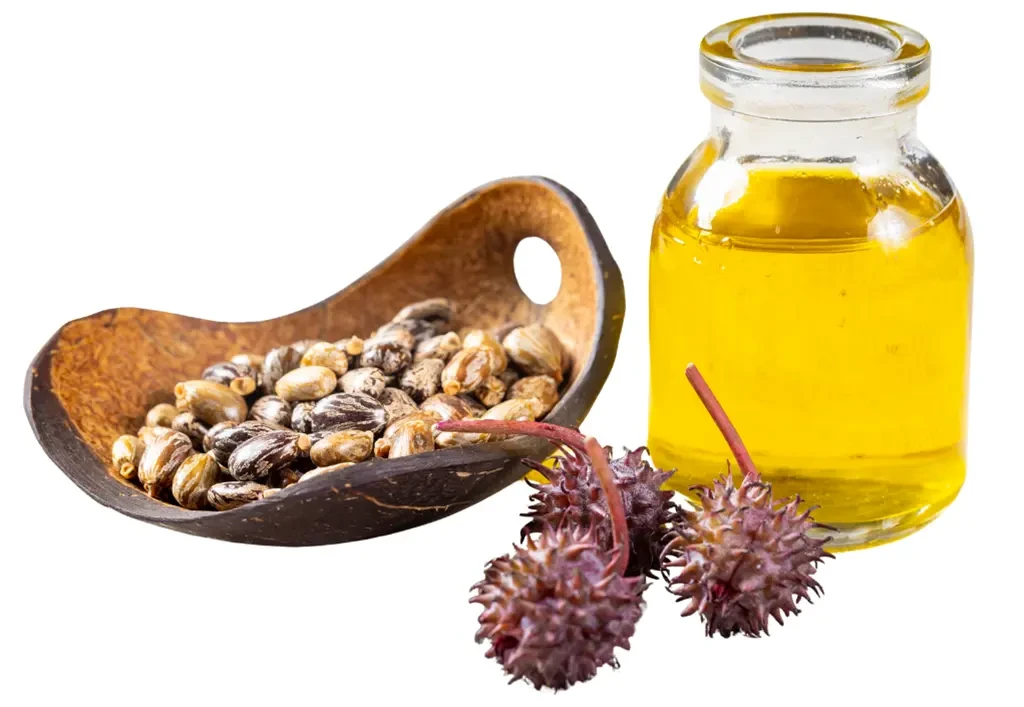
Castor Oil
Ricinus Communis (Castor) Seed Oil
Castor oil contains ricin oleic acid, a fatty acid. When applied to the skin, castor oil smooths the appearance of your skin.
Castor oil is a triglyceride that helps moisturise the skin, making it great for individuals who need a little extra moisture.
Castor oil acts as a humectant, which means that, in addition to providing moisture to the skin, it also helps retain it.
The fatty acids in castor oil replenish moisture, which in turn combats temporary discomfort and irritation.
It is low on the comedogenic scale. The fatty acids in castor oil help keep skin healthy, which, in turn, balances the skin and evens its tone. -

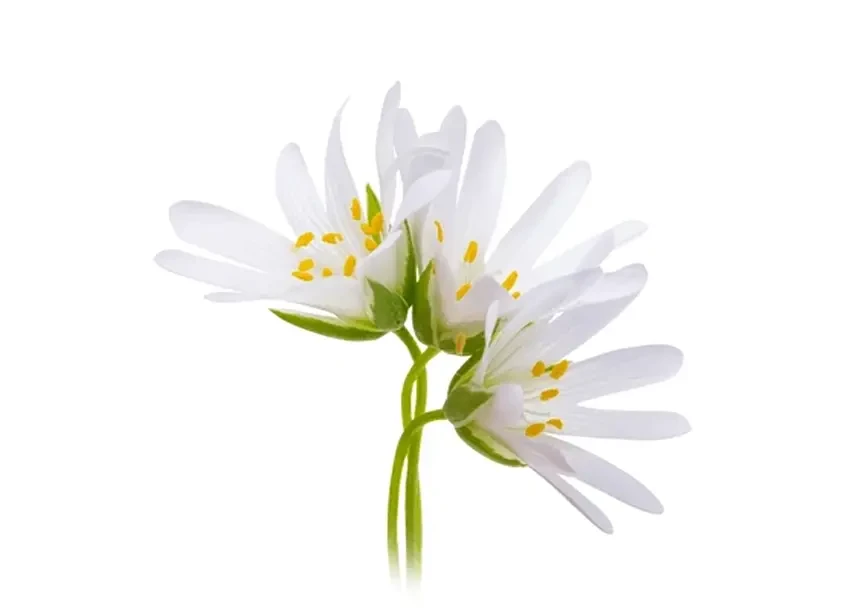
Chickweed
Stellaria Media Extract
Chickweed is used topically to alleviate itching secondary to insect bites. It is often applied as a cream several times daily to rashes and inflammatory skin conditions, such as eczema, to ease itching and inflammation.
Has antioxidant and anti-inflammatory properties. -

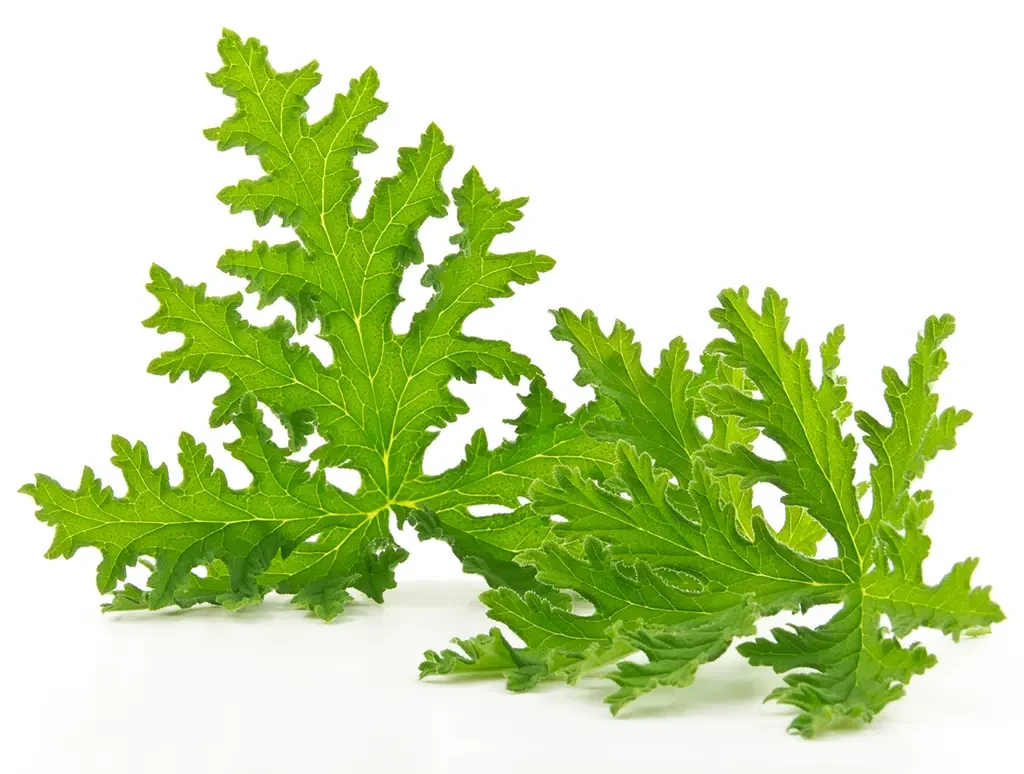
Citronella
Cymbopogon Nardus (Citronella) Oil
Citronella essential oil benefits the skin by providing antibacterial and antifungal properties that can help with acne, minor infections, and wound healing. It also has antioxidant qualities that may protect against sun damage, and its astringent and anti-inflammatory properties can help with irritation and balancing sebum. -

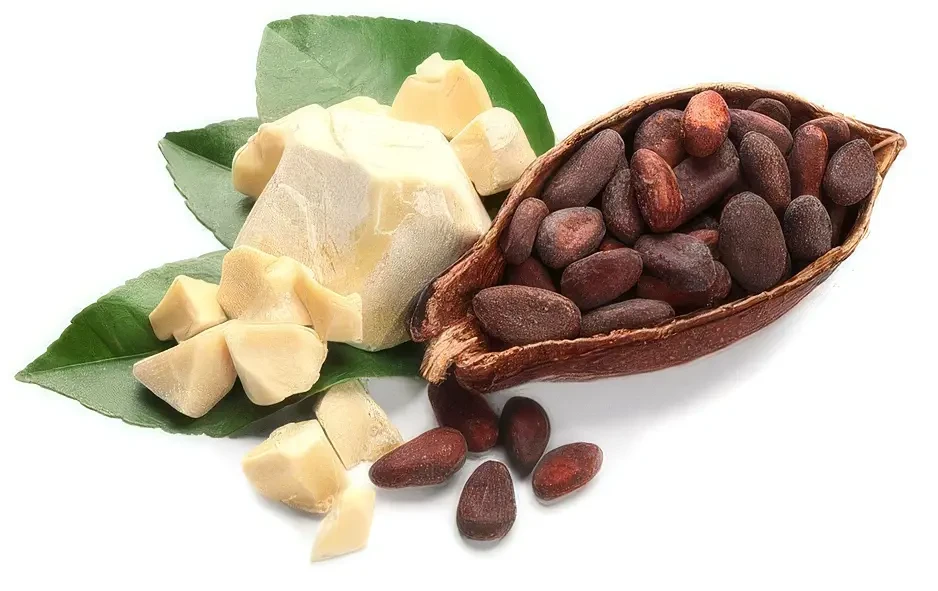
Cocoa Butter
Cocoa butter benefits the lips by moisturising, protecting, and soothing them due to its rich fatty acids, vitamins A and E, and antioxidants. It creates a protective barrier against the elements, locks in moisture to prevent dryness and chapping, and can help soothe irritation. The natural antioxidants may also protect against sun damage and signs of aging.
Its high content of fatty acids helps prevent the skin from drying out and relieves chapped lips.
Cocoa butter contains antioxidants like vitamin E, which help protect skin cells from damage and may help with healing. -

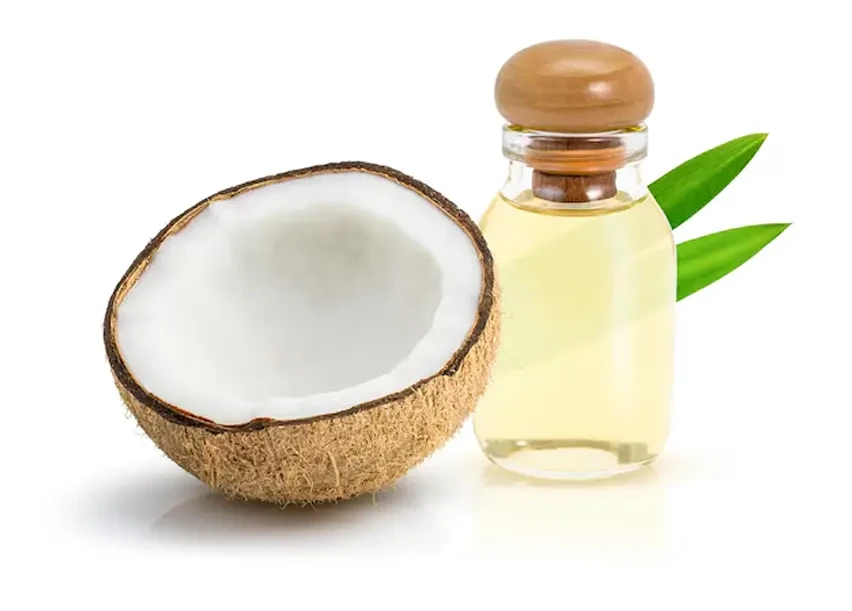
Coconut Oil
Coconut oil benefits the skin by moisturising, softening, and protecting it due to its fatty acids and antioxidant properties. It has anti-inflammatory properties that can help alleviate skin conditions such as eczema and acne, while also promoting wound healing and reducing the appearance of dark spots. Its ability to form a protective barrier helps retain moisture and shields the skin from irritants.
Coconut oil is an emollient that provides moisture to dry, rough, or calloused skin, leaving it feeling soft and supple. -

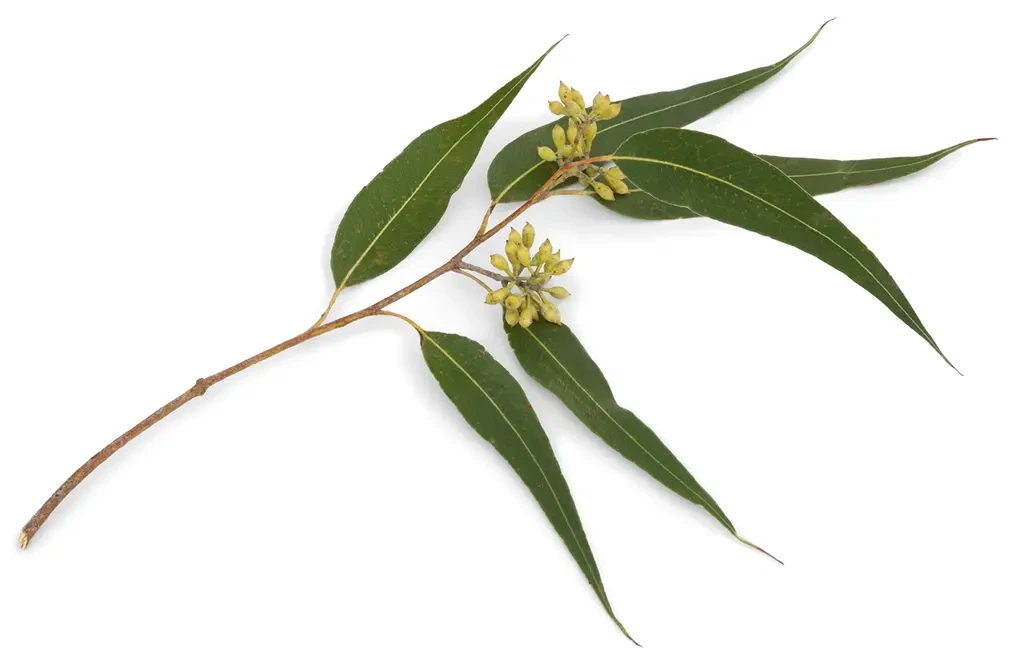
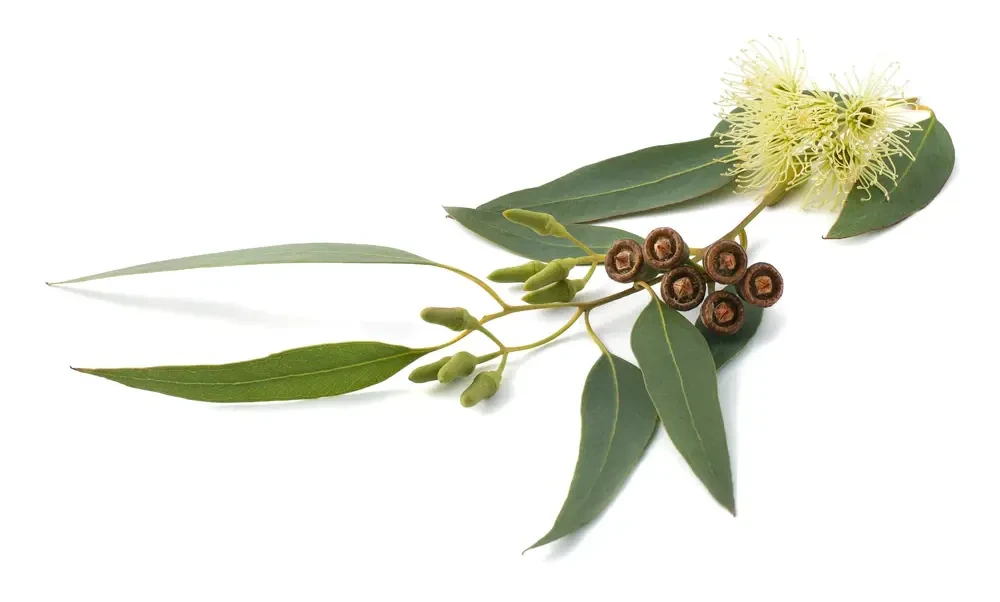
Eucalyptus
Eucalyptus Globulus Leaf Oil
Eucalyptus oil's benefits include respiratory support for colds and coughs, pain relief for sore muscles and joints, and antimicrobial properties for skin and cleaning. It can also act as an insect repellent, improve mental clarity when diffused, and has antioxidant and anti-inflammatory effects.
Clears nasal passages: Inhaling steam with eucalyptus oil can help relieve congestion and soothe irritated sinuses.
Soothes muscles - When diluted and massaged onto the skin, it can help ease muscle tension and soreness.
Reduces joint pain: It is used to alleviate joint pain and inflammation. -

Evening Primrose
Oenothera Biennis Oil
Evening Primrose Oil soothes and moisturises the skin while enhancing elasticity. Promotes a healthy, clear, and rejuvenated complexion with enhanced radiance, addressing roughness, wrinkles, redness, dryness, and irritation.
Facilitates the healing process, reduces the appearance of scars, and calms inflammation. -

Glycerin
Glycerin moisturises and protects skin by acting as a humectant, drawing water to it, which also improves the skin's barrier function and elasticity. In soap, it helps clean the skin without stripping its natural oils, making it a good choice for dry or sensitive skin, though glycerin soap may dissolve more easily in water.
As a humectant, glycerin attracts and holds water to the skin, providing deep and lasting hydration.
It helps improve the skin's natural barrier function, which protects against moisture loss and environmental irritants. -

Green Tea
Camellia Sinensis Leaf Extract
Green tea extract benefits the skin by fighting acne and reducing inflammation, providing antioxidant protection against aging, helping to even out skin tone, and hydrating the skin. Its anti-inflammatory and antimicrobial properties help calm irritation and unclog pores, while its antioxidants, such as EGCG, protect against free radical damage from UV radiation and pollution, supporting a more youthful and radiant complexion. -

Hyaluronic Acid
Hyaluronic acid benefits the skin by intensely hydrating it, which plumps the skin and reduces the appearance of fine lines and wrinkles. It also strengthens the skin's moisture barrier, protecting against environmental damage and making the skin smoother and more resilient.
Hyaluronic acid acts as a "humectant," drawing moisture into the skin to keep it hydrated and plump. This plumping effect helps to diminish the visible depth of fine lines and wrinkles. -

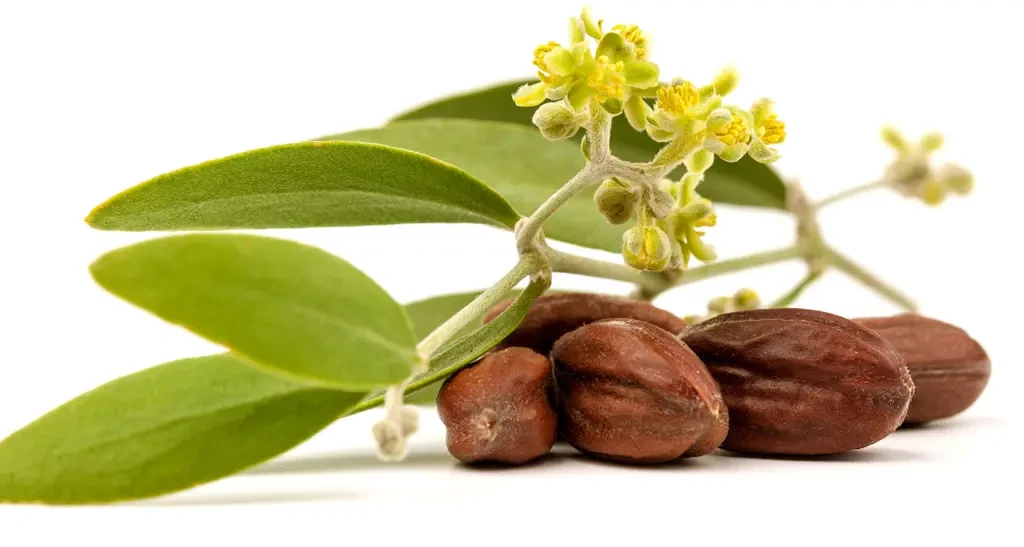
Jojoba Seed Oil
Simmondsia Chinensis (Jojoba) Seed Oil
Jojoba oil benefits the skin by providing deep moisture, acting as an antioxidant due to its high Vitamin E content, and regulating oil production by mimicking sebum, making it suitable for all skin types, including those with acne-prone or sensitive skin. It also possesses anti-inflammatory, antiseptic, and antibacterial properties that help soothe irritation, treat acne, promote wound healing, and fade dark spots and scars.
Jojoba oil is structurally similar to the natural oils (sebum) produced by the skin, allowing it to absorb easily and provide deep hydration without feeling greasy. -

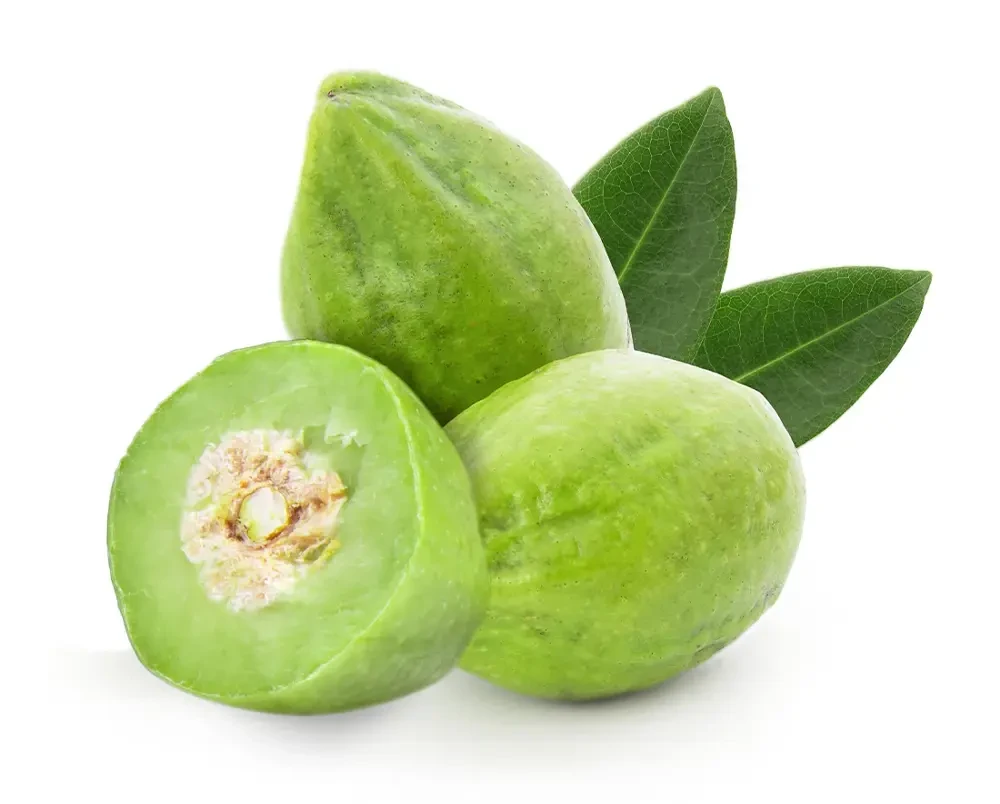
Kakadu Plum
Kakadu plum benefits the skin by providing powerful antioxidant protection, boosting collagen production, evening out skin tone, and reducing inflammation. Its high vitamin C content helps to fight free radicals, support the skin's natural defence against environmental damage, and improve the appearance of fine lines, wrinkles, and hyperpigmentation.
-

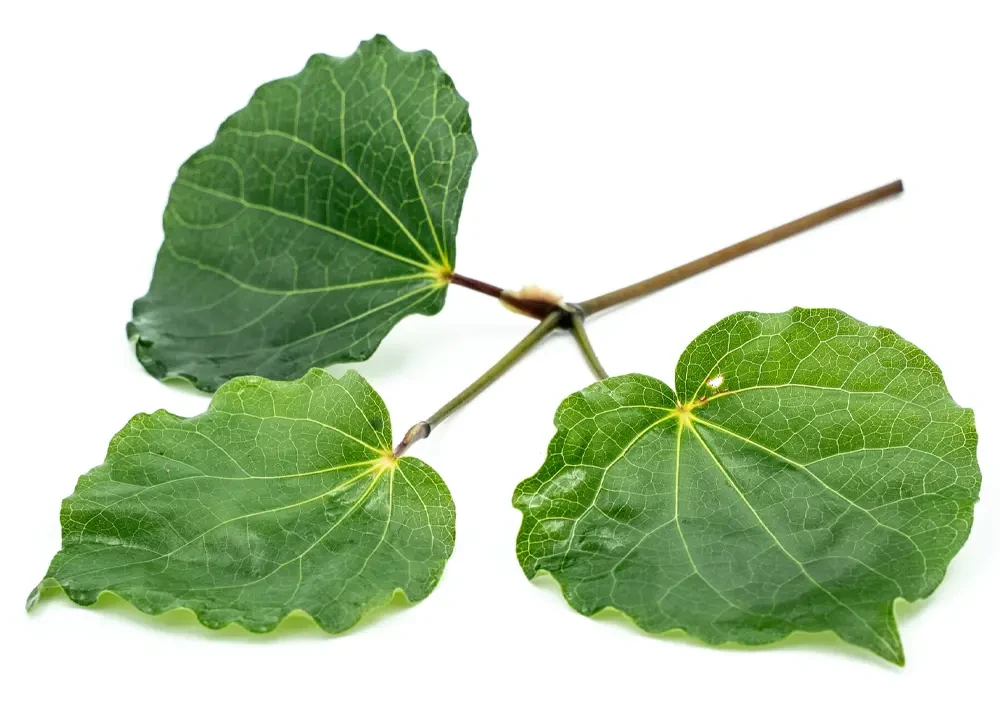
Kawakawa Oil
Macropiper excelsum
Kawakawa extract offers numerous benefits for the skin, primarily by reducing inflammation and aiding in natural healing. It is traditionally used to soothe conditions such as eczema, psoriasis, and rashes, and can also help with minor wounds, bites, and dry, cracked skin. The extract's anti-inflammatory, antifungal, and antiseptic properties are attributed to compounds such as myristicin and elemicin. -

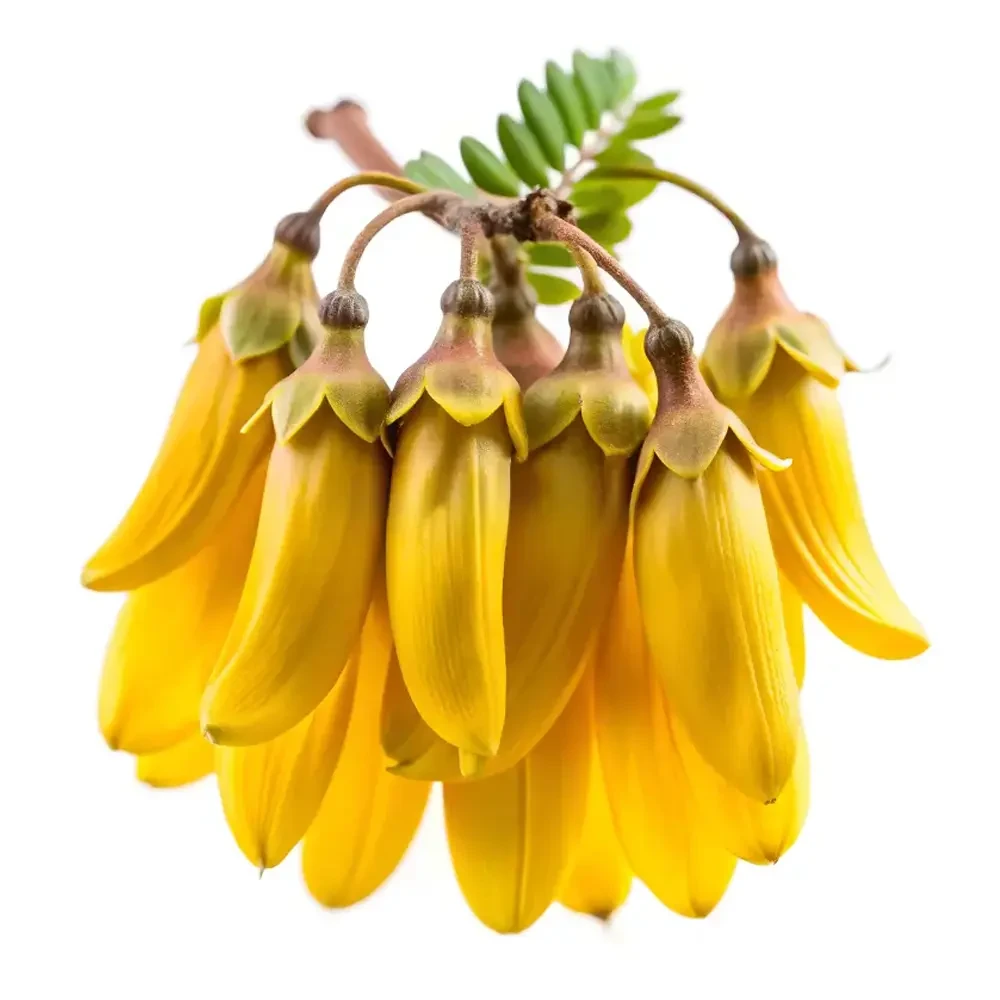
Kowhai
Sophora microphylla
Kowhai extract offers skin benefits due to its antioxidant and antimicrobial properties, which help to moisturise, cleanse, and soothe the skin. It is traditionally used in Māori medicine to treat a range of issues, including itchy skin, cuts, abrasions, wounds, and general skin ailments. The extract is also noted for its ability to calm redness and nourish skin. -

Lanolin
Lanolin benefits lips by moisturising, providing a protective barrier, and soothing chapped or cracked skin. It is a natural emollient that mimics the oils of human skin, helping the skin retain moisture, and can be particularly effective for those with sensitive skin or dry lips due to environmental factors or medical treatments.
Lanolin is a powerful emollient that softens and hydrates lips, which lack their own oil glands. It can hold up to 400% of its weight in moisture, helping to combat dryness from within.
It creates a protective barrier on the lips that shields them from environmental factors, such as wind and cold, helping to prevent moisture loss. -

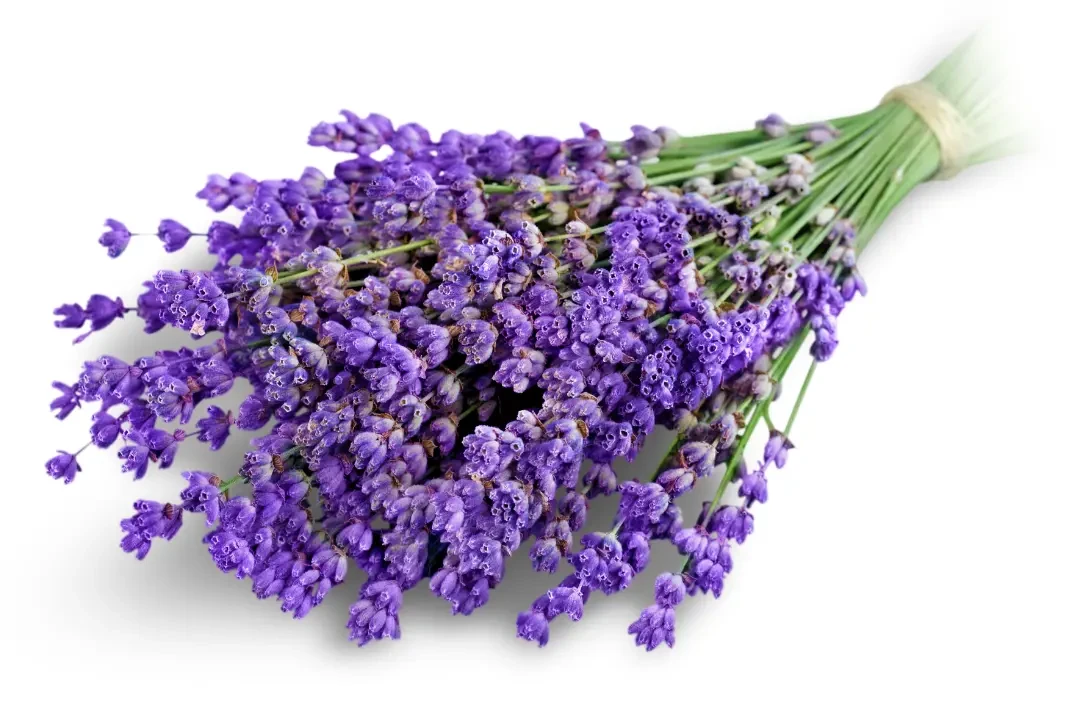
Lavender
Lavandula Angustifolia (Lavender) Oil
Lavender essential oil has many benefits for the skin, many of which can be attributed to its antiseptic and antibacterial properties.
It helps reduce inflammation, has skin-balancing properties, and aids wound healing. Apart from its classic floral fragrance, Lavender is known for its relaxing properties. -

Lemon Eucalyptus
While part of the Eucalyptus family, Lemon Eucalyptus has a distinct chemical composition (hence its lemony scent) and is primarily used for its pronounced insect-repelling, antifungal, and antiseptic properties.
Lemon Eucalyptus can be used diluted to aid in the treatment of fungal infections, minor wounds, and stubborn skin infections, promoting healing.
Lemon Eucalyptus can be diffused or used as an inhalation for respiratory and immune support during coughs and colds.
Lemon Eucalyptus has excellent insect-repelling properties for mosquitoes and other unwanted bugs around the home. -

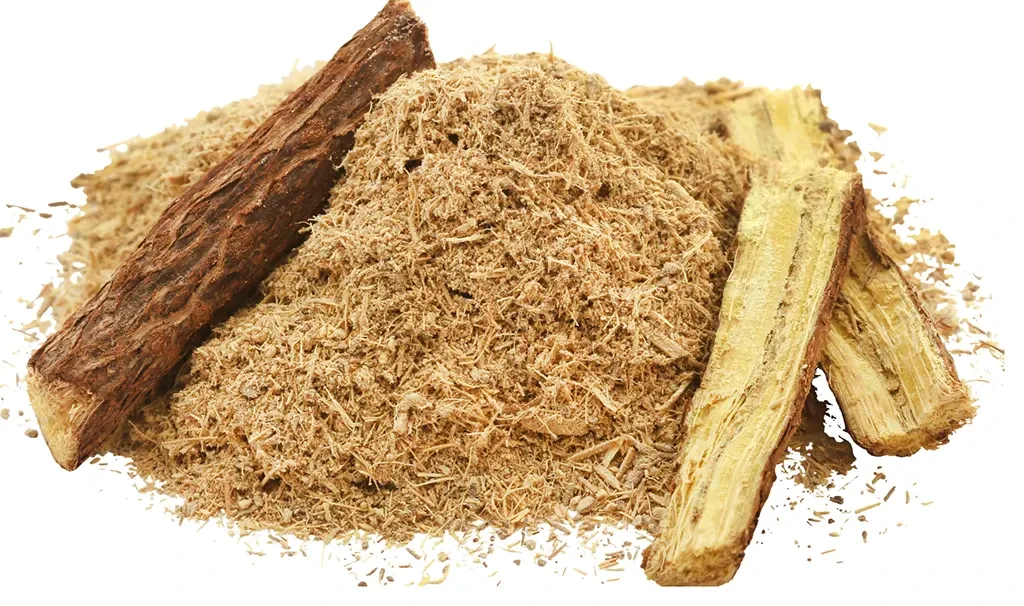
Licorice Root
Licorice benefits the skin by acting as an anti-inflammatory and antioxidant, which can help soothe irritation, redness, and conditions such as eczema. It also helps brighten the skin by reducing hyperpigmentation and fading dark spots, while its compounds may improve skin elasticity and protect against UV damage. Additionally, licorice extract can help control oil and treat acne due to its antimicrobial properties.
An active compound called glycyrrhizin helps calm swelling, redness, and irritation associated with conditions like eczema, rosacea, and dermatitis. -

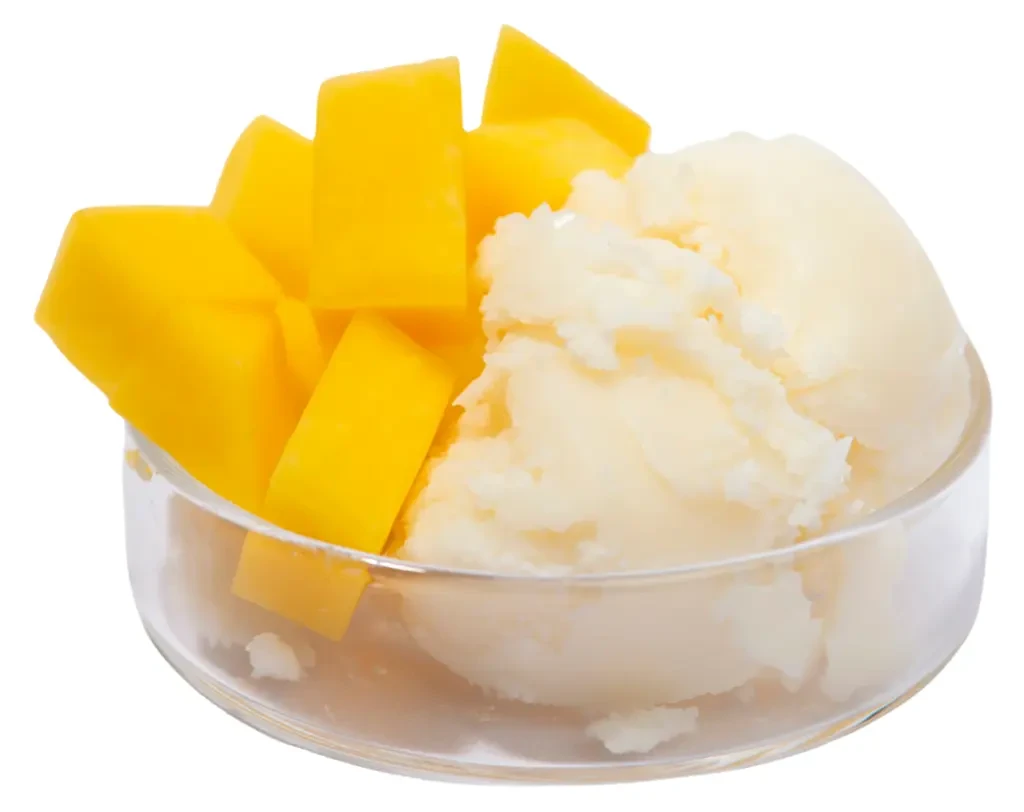
Mango Butter
Mangifera Indica (Mango) Seed Butter
Mango butter benefits the skin by deeply moisturising, protecting against free radicals with antioxidants, and promoting a firmer complexion by supporting collagen production. It can also help soothe irritated skin, heal dry or cracked patches, and provide a protective barrier to reduce transdermal water loss. Its anti-inflammatory properties make it beneficial for conditions such as eczema and psoriasis.
Mango butter is a rich emollient that softens and soothes the skin, penetrating deeply to provide hydration. -

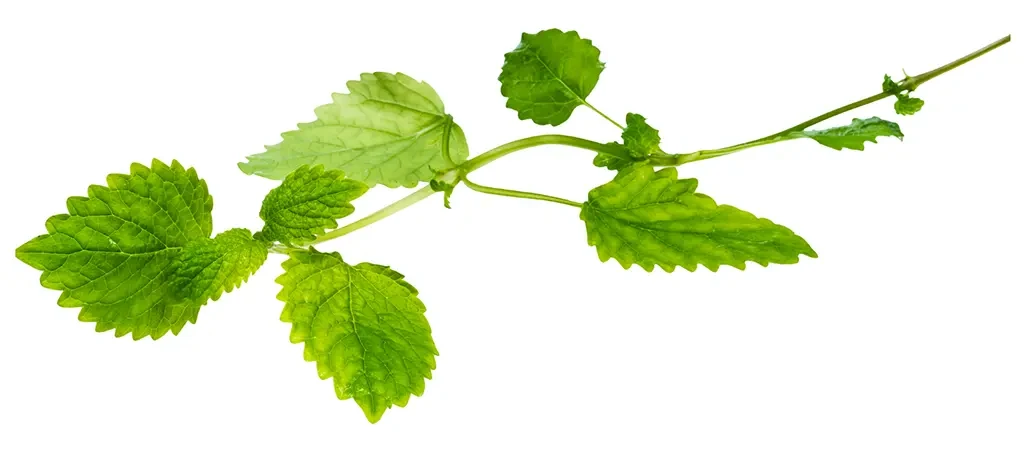
Melissa
Melissa Officinalis Leaf Oil
The amazing and effective Melissa, commonly known as Lemon Balm.
Research has shown that Melissa essential oil shortens the healing time, helps prevent infection, and contributes to the rapid relief of typical symptoms of herpes, such as itching, tingling, burning, stabbing & tautness. It has antioxidant, antimicrobial/antibacterial, calming / soothing properties. -

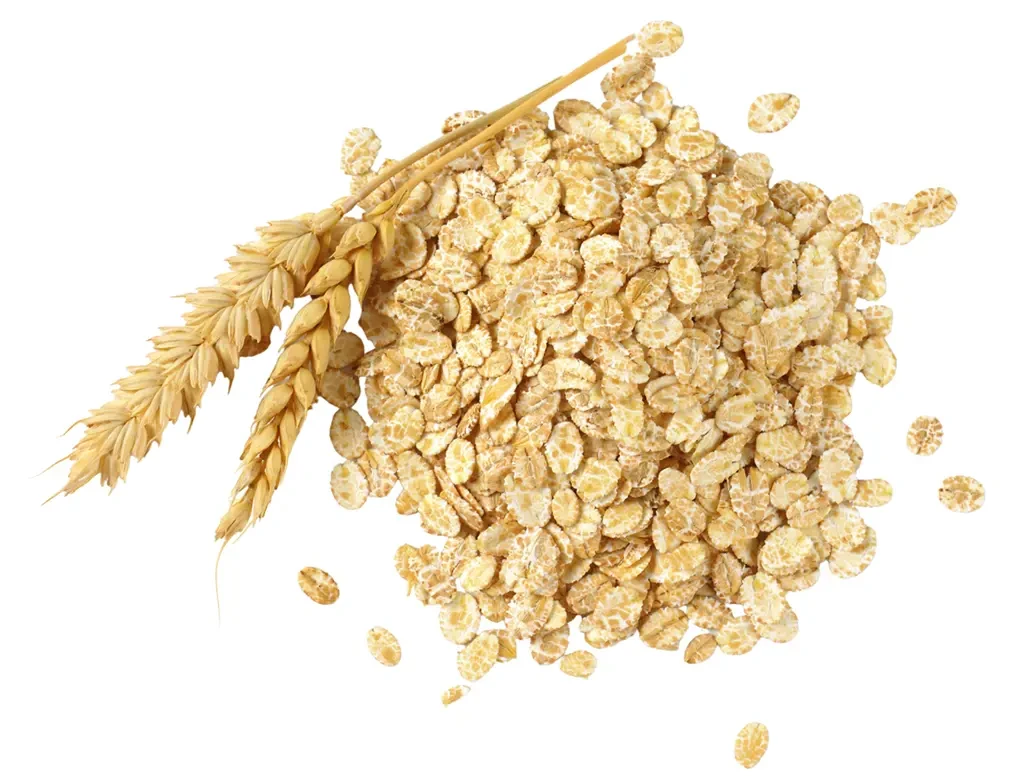
Oat Extract
Oat extract benefits the skin by moisturising, soothing irritation and inflammation, and providing antioxidant protection. It helps form a protective barrier to lock in moisture, strengthens the skin's natural defences against environmental stressors, and can gently exfoliate to improve skin texture. This makes it particularly beneficial for dry, sensitive skin.
Oat extract has anti-inflammatory properties that help calm redness, itching, and irritation. It is especially beneficial for sensitive or eczema-prone skin due to its soothing effects.
It contains beta-glucans, which are scientifically proven to support the skin's healing process from trauma or irritation. -

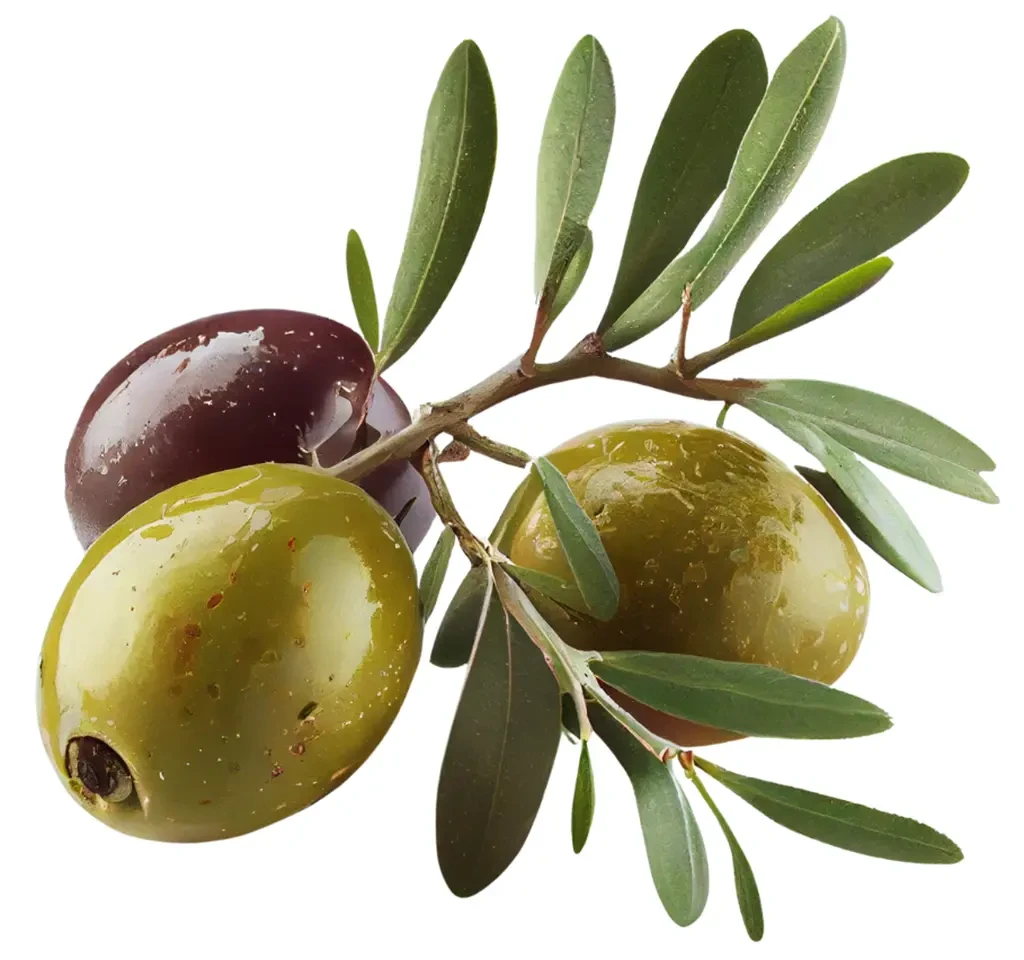
Olive Oil
Olive oil benefits the skin by providing deep hydration, protecting against environmental damage, and reducing inflammation due to its high content of antioxidants, vitamins, and essential fatty acids like squalene. It can also help minimise the appearance of fine lines and wrinkles, soothe irritation, and potentially aid in wound healing.
-

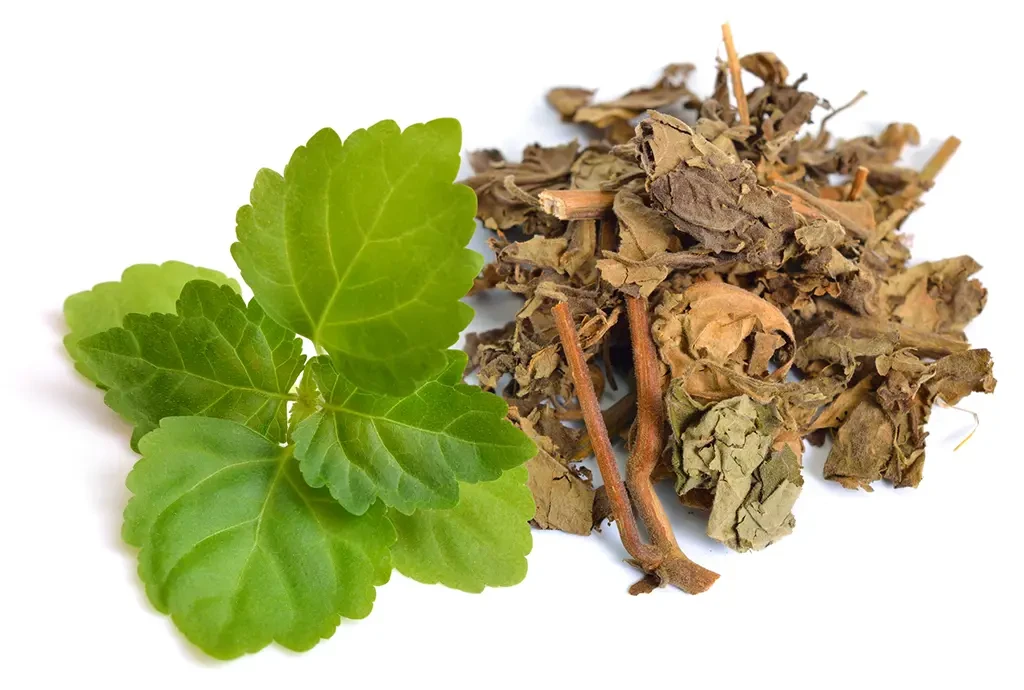
Patchouli
Pogostemon Cablin Leaf Oil
Calms dry, irritated skin. Patchouli essential oils contains anti-inflammatory properties that assist in alleviating redness and irritation.
Helps with eczema, dermatitis, acne and dry skin due to its calming and hydrating effects. -

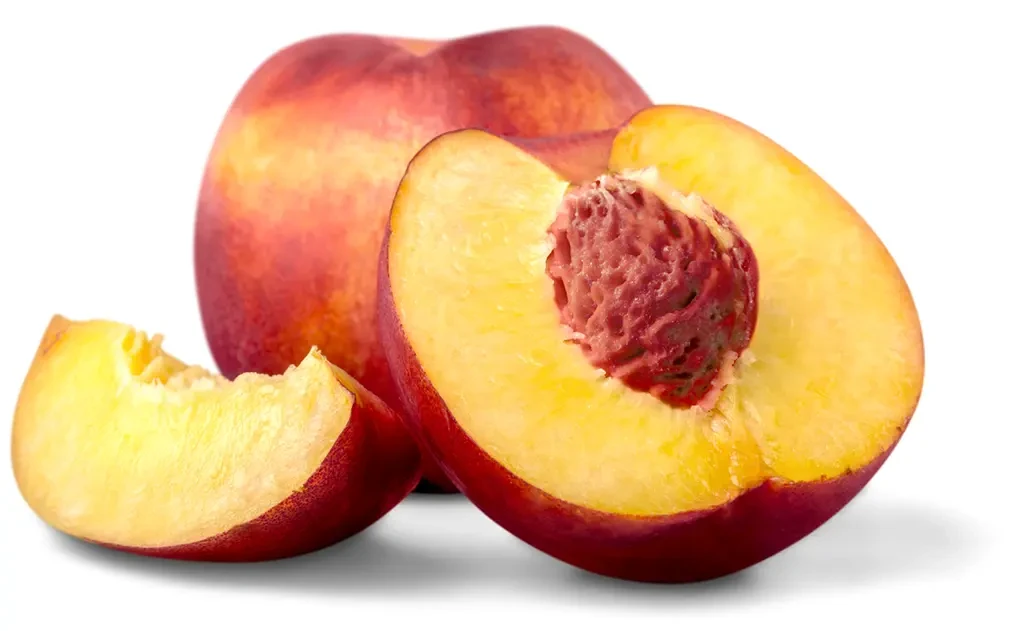
Peach Extract
Peach Extract Prunus Persica Fruit Extract
Peach extract benefits the skin by hydrating, brightening, and protecting it from environmental damage due to its rich content of vitamins A, C, and E, antioxidants like lycopene, and natural alpha-hydroxy acids (AHAs). It helps to smooth skin texture, reduce the appearance of fine lines, combat signs of aging, and soothe irritation and redness, making it beneficial for most skin types. -

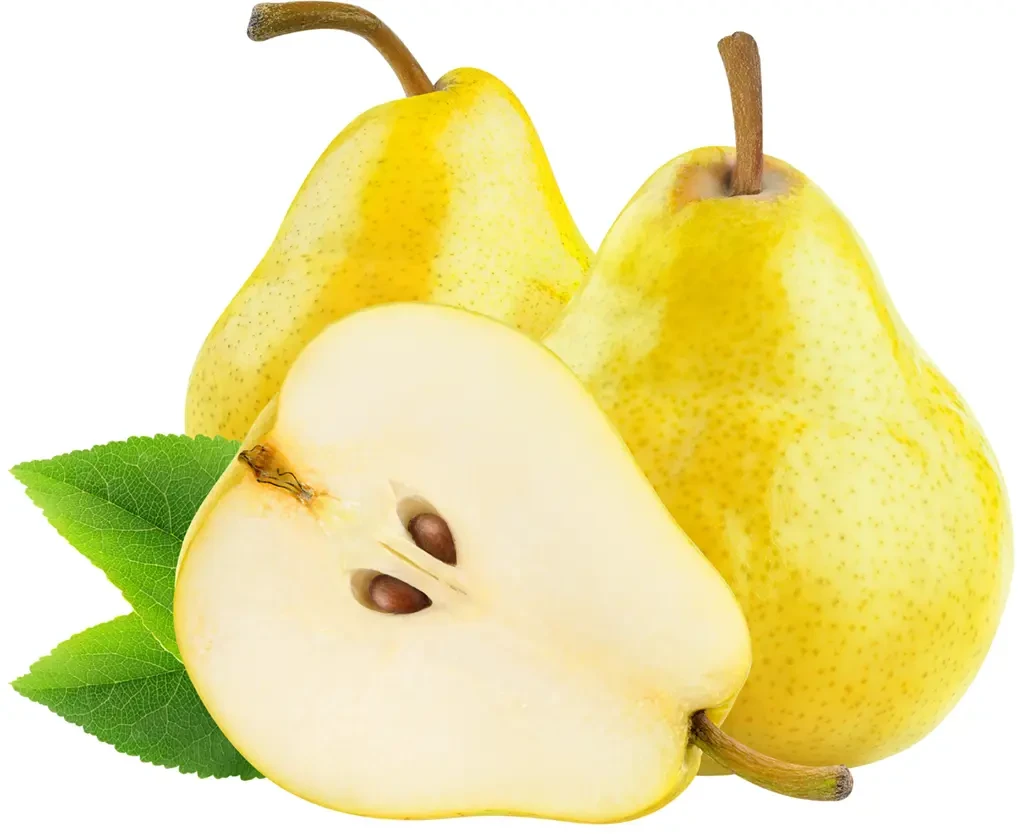
Pear Extract
Pear extract benefits the skin by hydrating, softening, and brightening it, while also providing antioxidant protection against premature aging. It offers soothing and revitalising properties, helps exfoliate and smooth the skin by removing dead cells, and can reduce inflammation and improve the skin's barrier function.
-

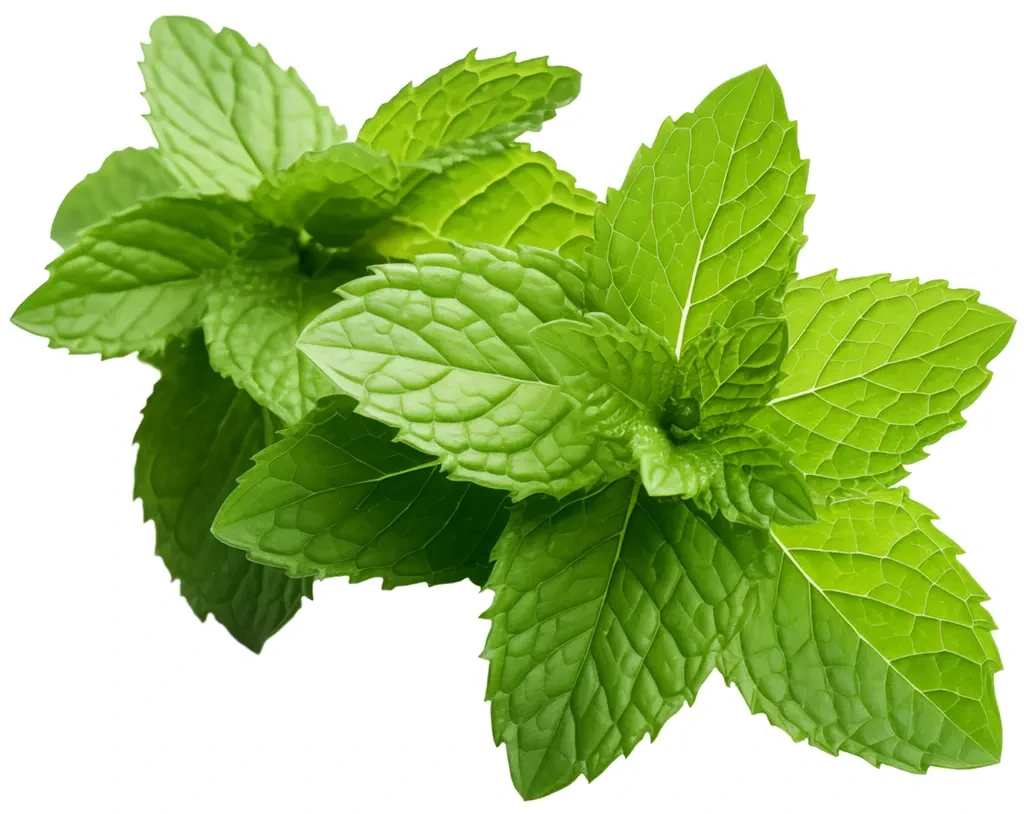
Peppermint
Cooling Peppermint oil is well known for its anti-inflammatory properties, so if your skin is itchy, irritated or inflamed, it offers relief.
Studies have shown that Peppermint essential oil helps relieve itchiness and the severity of the itch. -

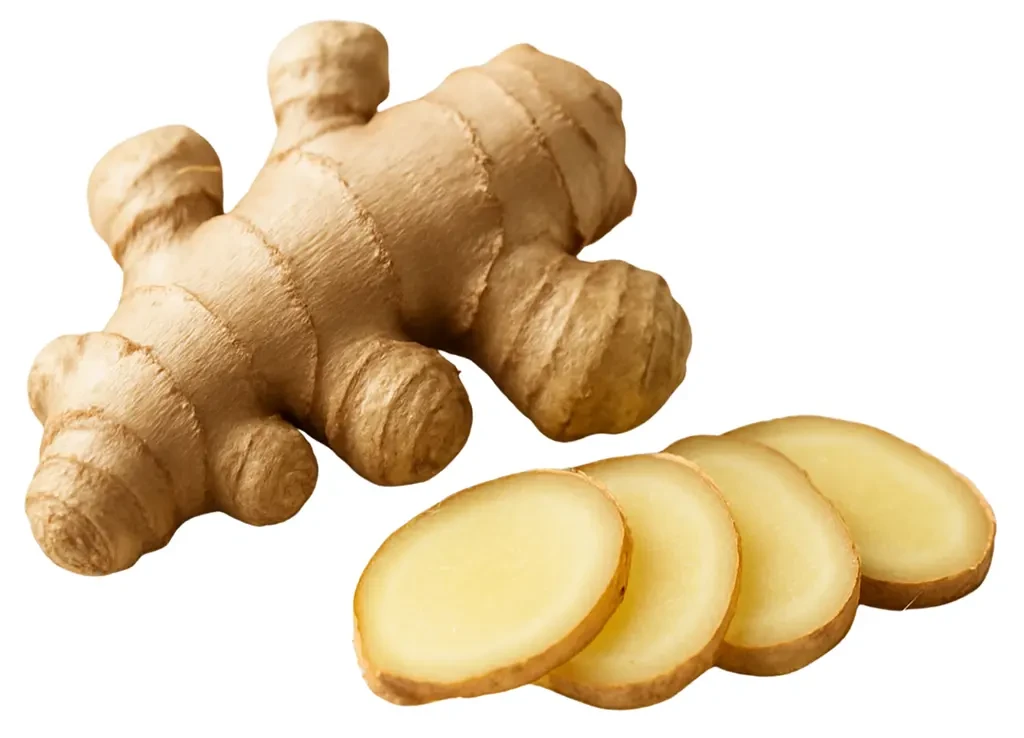
Plai Ginger
Plai is a relative of Ginger,but has a milder odour.
Ginger Plai essential oil provides joint relief through its powerful anti-inflammatory and analgesic (pain-relieving) properties, offering a cooling sensation to soothe sore muscles, joints, and inflammation. It is used traditionally to help with conditions like arthritis, rheumatism, and sprains, providing a soothing effect on irritated areas, unlike its warming ginger relatives.
Plai oil is highly effective at reducing inflammation, which is often the root cause of joint pain. It can help soothe irritated and swollen joints.
The oil has potent pain-relieving properties that can help alleviate chronic pain, muscle aches, and discomfort associated with joint problems.
A significant benefit of Plai is its cooling action, which is ideal for soothing inflamed areas. This is a significant difference from warming essential oils like traditional ginger. -

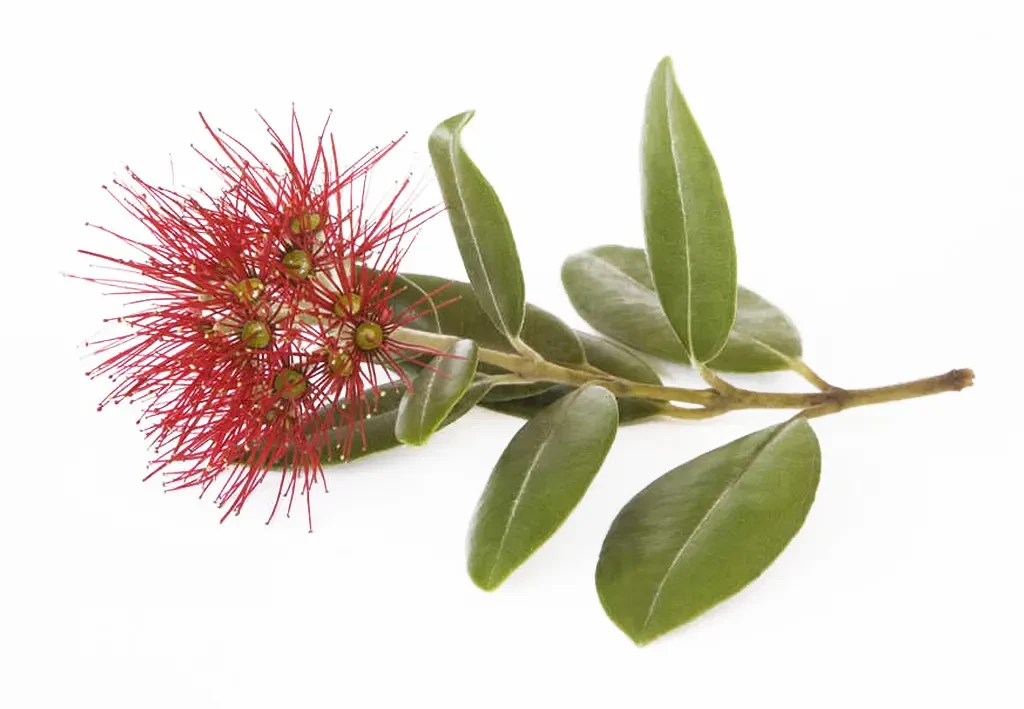
Pohutukawa
Metrosideros (e.g. Metrosideros excelsa)
Pohutukawa tree extract offers several skin benefits, primarily due to its ellagic acid content, which provides powerful antioxidant and anti-inflammatory properties. This makes it useful for soothing irritated or red skin, deeply moisturising, and protecting the skin from environmental stressors that can lead to premature aging.
It is also traditionally used to aid in the healing of wounds and abrasions. -

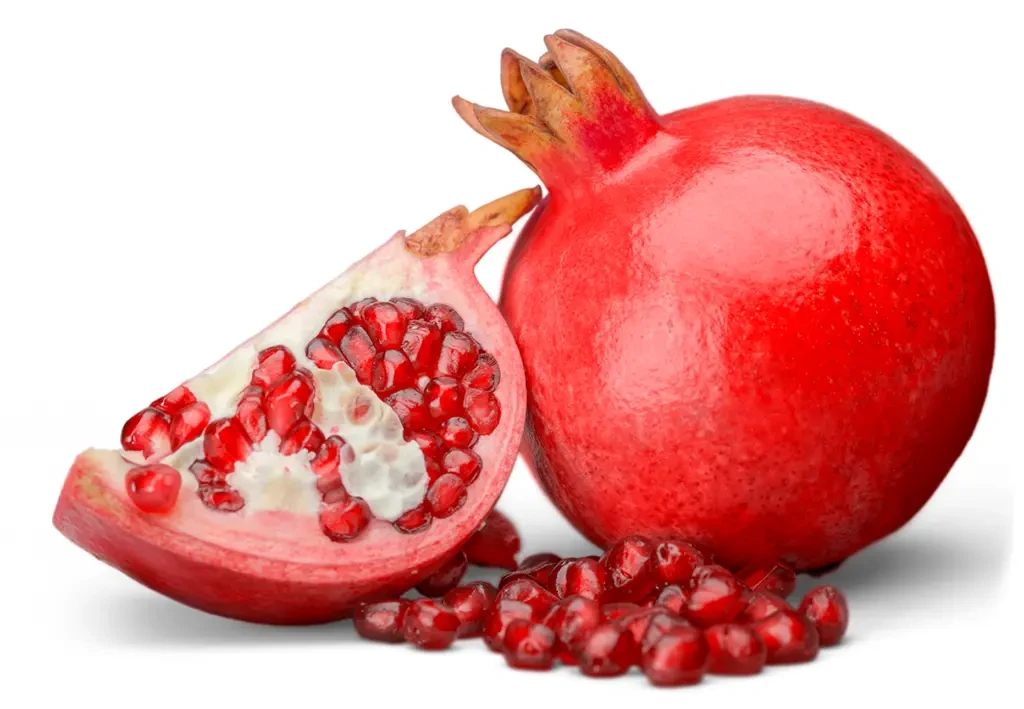
Pomegranate
Pomegranate extract benefits the skin by hydrating, brightening, and fighting signs of aging. It provides antioxidant protection, reduces inflammation, and promotes a firmer, more elastic complexion by boosting collagen production. The extract also helps protect against sun damage and can assist in fading dark spots by inhibiting melanin production.
-

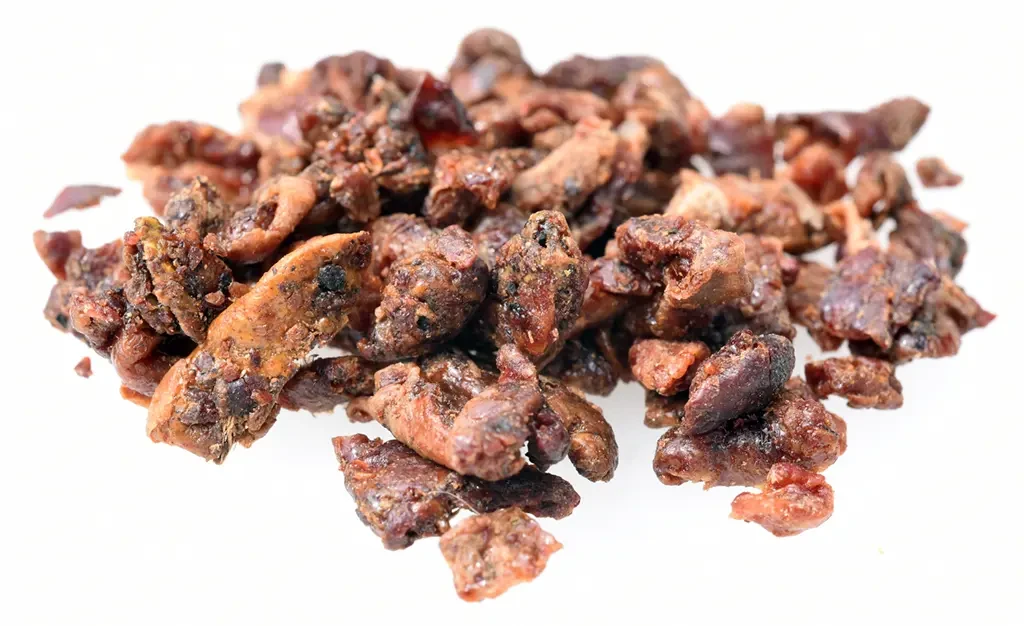
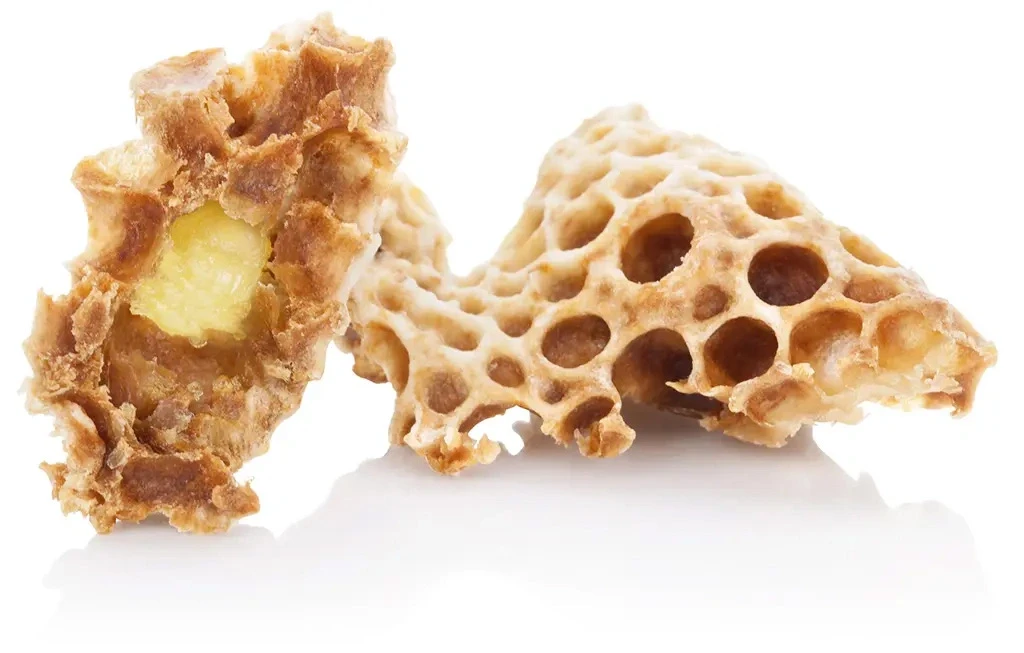
Propolis
Honeybees collect more than just pollen when they are buzzing around the yard. Resins are collected from various plants and trees, mixed with beeswax and amino acids, and used to form structures within the hive, much like the way we use cement. Bees need to protect themselves from disease just like we do, and propolis is their solution. As the bees travel through the hive, they rub against the propolis and receive the benefits of the natural antibiotic, anti-inflammatory, antifungal and antiviral properties from their building materials.
Wound Healing
Bee propolis also promotes wound healing, making it a valuable ingredient in topical treatments such as ointments and creams. It is easy for burns, abrasions, and lacerations to become infected, but when treated with a potent antibacterial agent, the body has a chance to heal quickly and with a lower risk of scarring. -

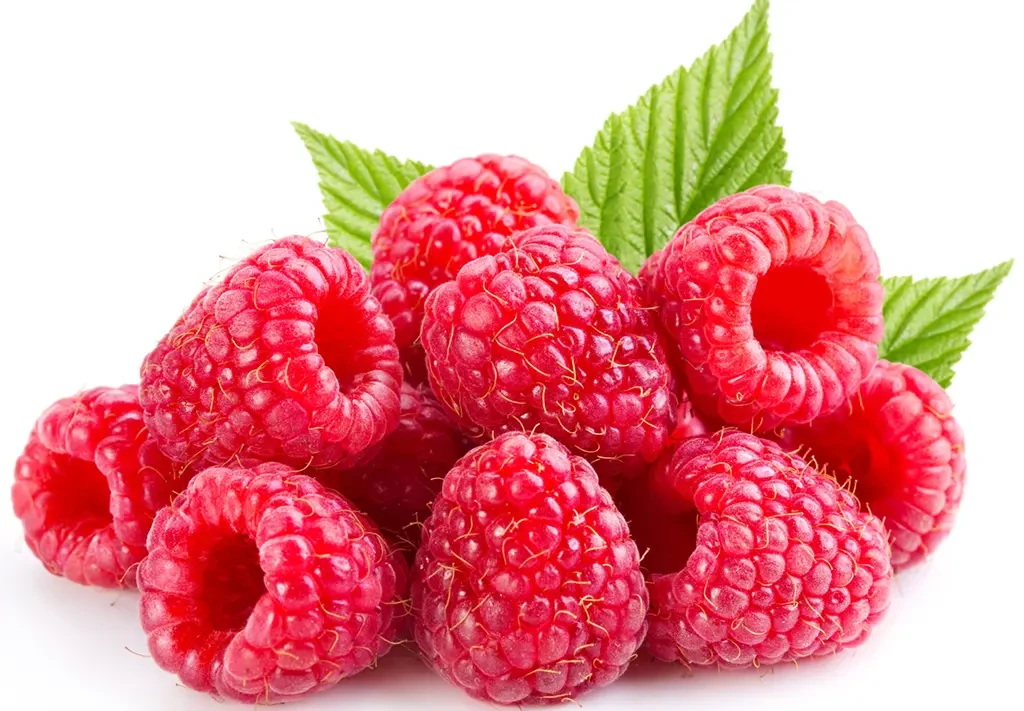
Raspberry Seed Oil
Raspberry seed oil benefits the skin by being a rich source of antioxidants and essential fatty acids that provide anti-aging, moisturising, and anti-inflammatory effects. It helps improve skin elasticity, soothe irritation, and protect against environmental damage, though it should not be used as a substitute for sunscreen. The oil is lightweight, absorbs quickly, and can be beneficial for various skin types, including dry, sensitive, and mature skin.
-

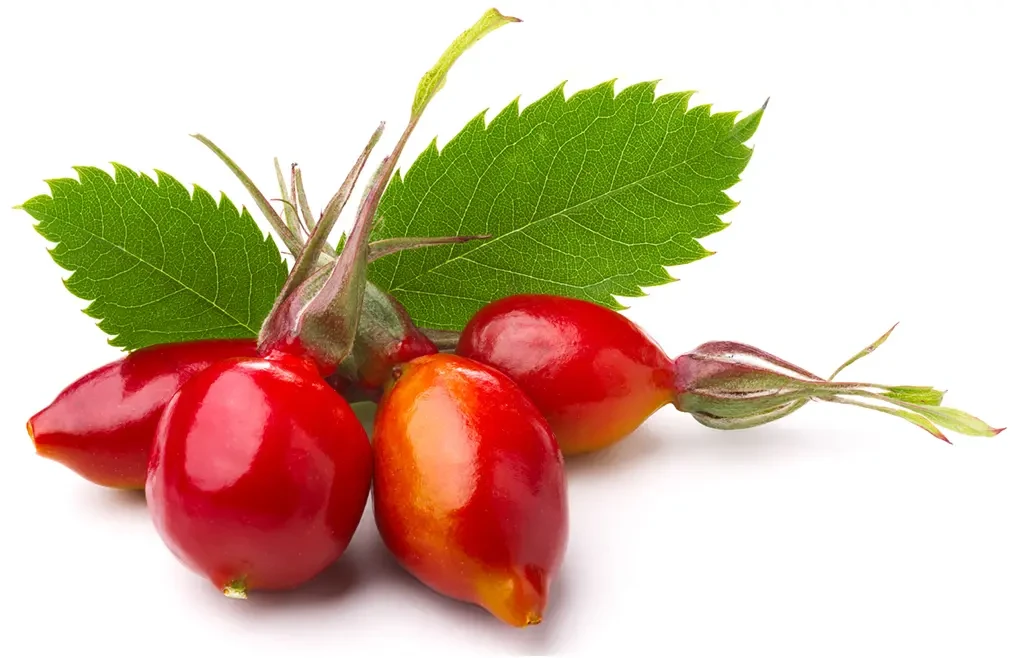
Rosehip Oil
Rosehip oil benefits the skin by moisturising, reducing the appearance of fine lines and wrinkles, and improving overall tone and texture. It is rich in vitamins A and C, as well as essential fatty acids, which help protect against environmental damage, promote collagen and elastin production, and keep the skin hydrated. This oil is suitable for various skin types and can also help with the appearance of scars, stretch marks, and hyperpigmentation.
It is rich in essential fatty acids (like linoleic and linolenic acid) that help keep skin cells hydrated and firm, preventing dryness.
Rosehip oil's light consistency allows it to absorb quickly without clogging pores, making it suitable for both dry and oily skin types. -

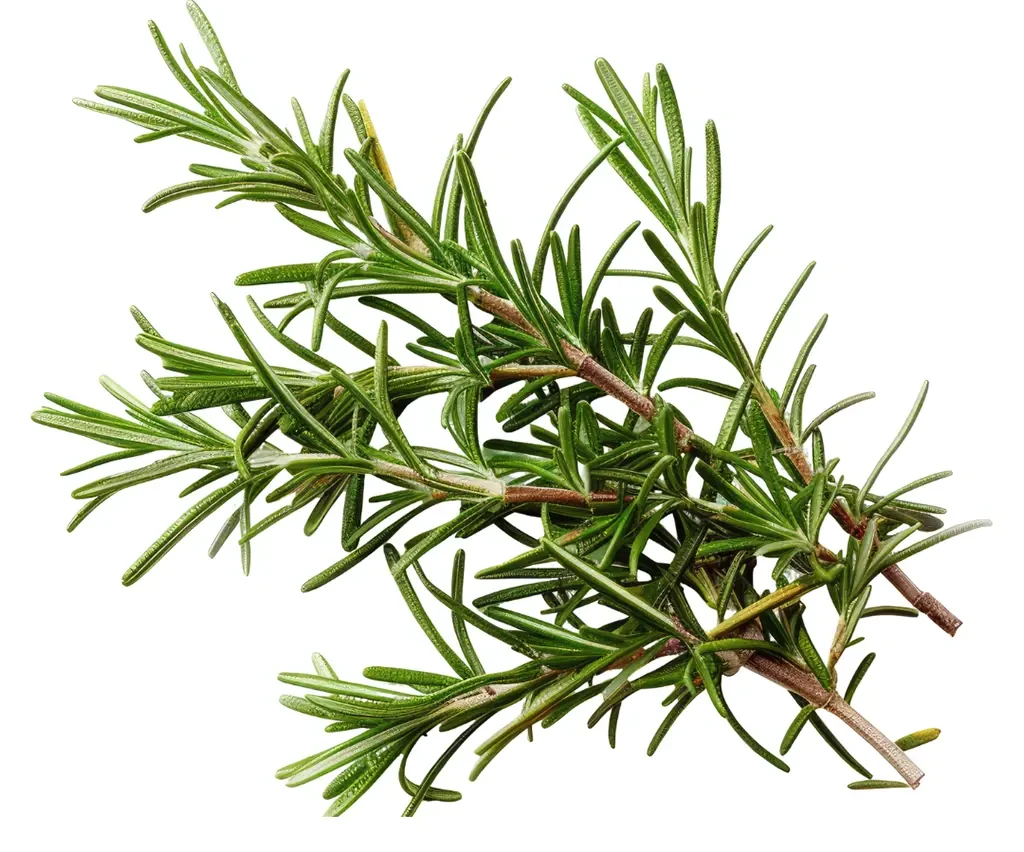
Rosemary
Rosmarinus Officinalis Leaf Oil
Rosemary essential oil benefits the skin by reducing inflammation, fighting acne with antibacterial properties, and combating aging through its antioxidant and circulation-boosting effects. It can also help tighten skin, improve texture, reduce dark spots, and soothe conditions like eczema.
Reduces inflammation: It has anti-inflammatory properties that can help calm redness and irritation associated with conditions like eczema and dermatitis. -

Royal Jelly
Royal jelly benefits the skin by moisturising, promoting firmness, and reducing signs of aging through its rich content of amino acids, vitamins, and antioxidants. It supports collagen and elastin production, brightens the complexion by reducing hyperpigmentation, and helps protect skin from oxidative stress and dehydration.
Boosts collagen and elastin: The minerals and compounds in royal jelly, such as silicon and 10-HDA, support the production of collagen and elastin, which help reduce the appearance of fine lines and wrinkles.
Its antioxidants help combat oxidative stress, which is a significant cause of skin aging. -

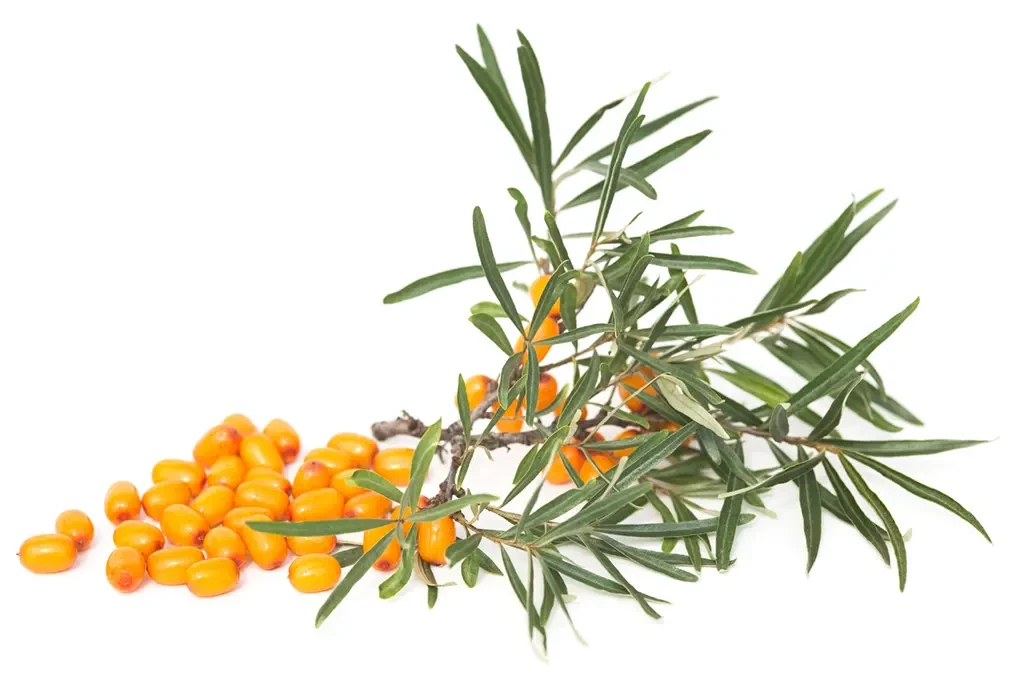
Sea Buckthorn
Hippophae rhamnoides oil
Sea buckthorn oil benefits the skin by providing deep hydration, strengthening the skin barrier, and reducing inflammation. Its high antioxidant content protects against environmental damage and premature aging, while its omega fatty acids and vitamins support skin regeneration, elasticity, and tone. This makes it an effective moisturiser and soother for various skin types, including dry, sensitive, and mature skin. -

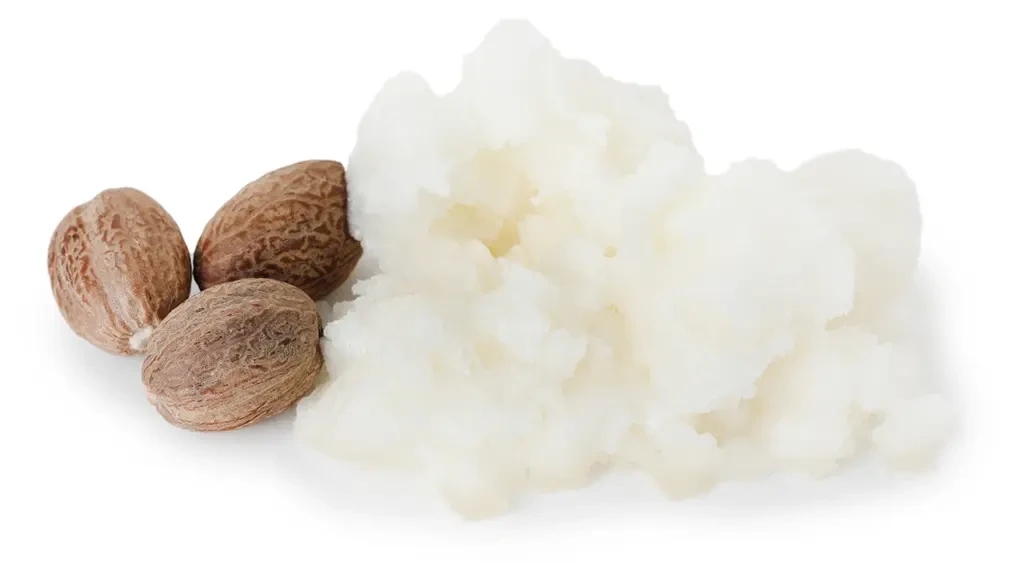
Shea Butter
Shea butter's main benefits for the skin are deep moisturising, soothing inflammation and irritation, promoting anti-aging by boosting collagen and cell turnover, and helping to reduce the appearance of scars and stretch marks. It also contains antioxidants and fatty acids that protect the skin barrier, soothe conditions like eczema, and can even help with minor skin issues such as sunburn and razor burn.
-

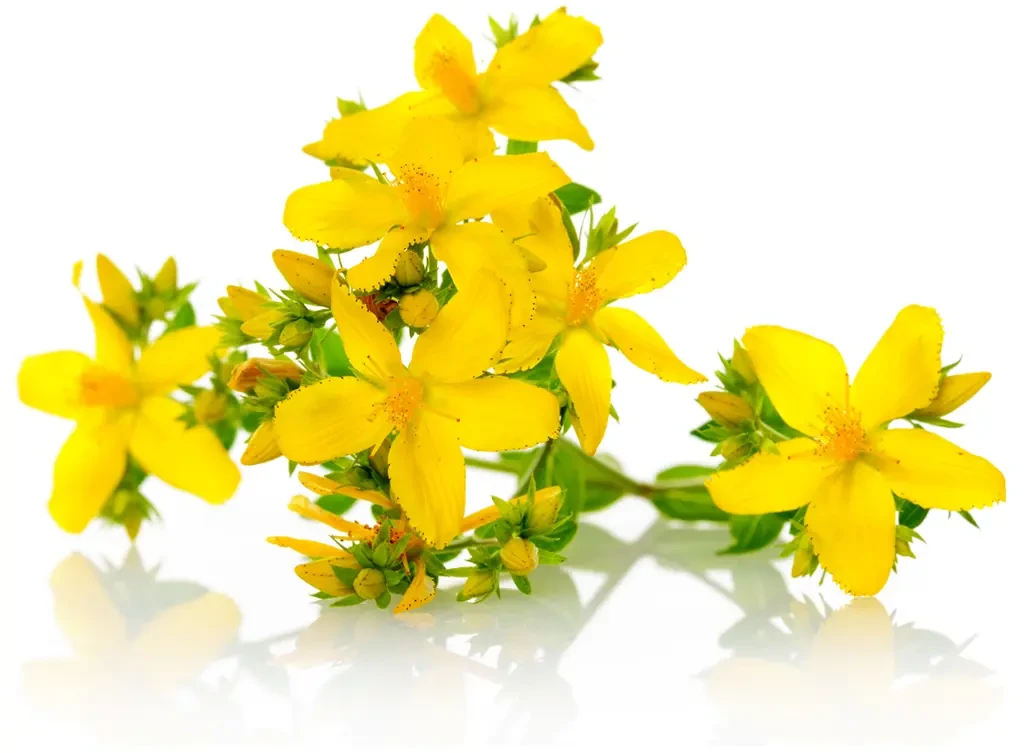
St Johns Wort
Hypericum Perforatum
The antioxidants and interleukins in St John's Wort decrease inflammation, making it a good choice for those suffering from aches and pains as well as skin conditions that cause inflammation.
St. John's Wort helps reduce the appearance of scars when used topically and also soothes sensitive skin. -

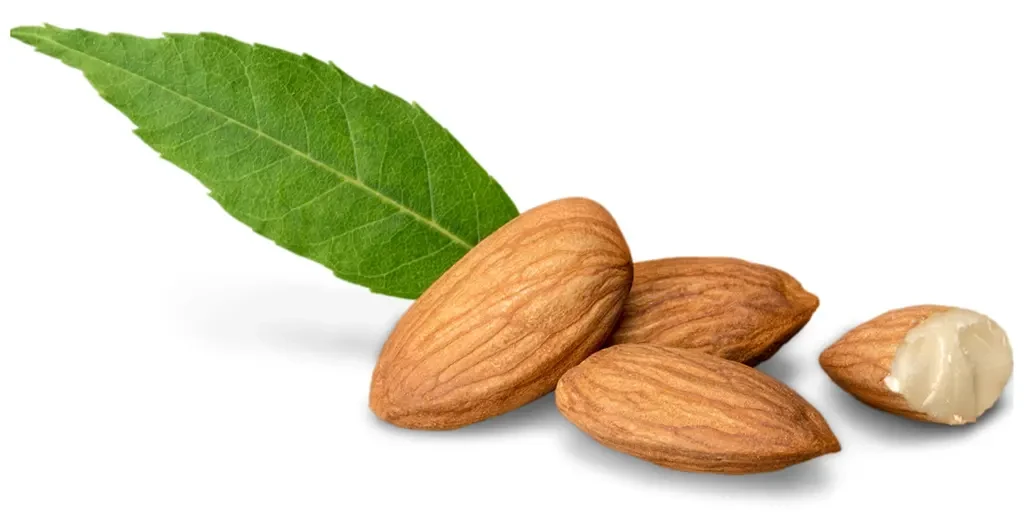
Sweet Almond Oil
Sweet almond oil moisturises and protects the skin, helping to alleviate conditions like eczema, and can also soothe dryness. It contains vitamins and fatty acids that strengthen the skin barrier, reduce the appearance of scars and stretch marks, and act as a makeup remover. Its antioxidant and anti-inflammatory properties also help fight premature aging and skin damage.
Sweet almond oil is rich in monounsaturated fatty acids and vitamins A and E, which deeply hydrate the skin, prevent dryness, and improve its texture and tone.
It helps soothe dry, flaky skin and is used in the treatment of skin conditions like eczema and psoriasis. -

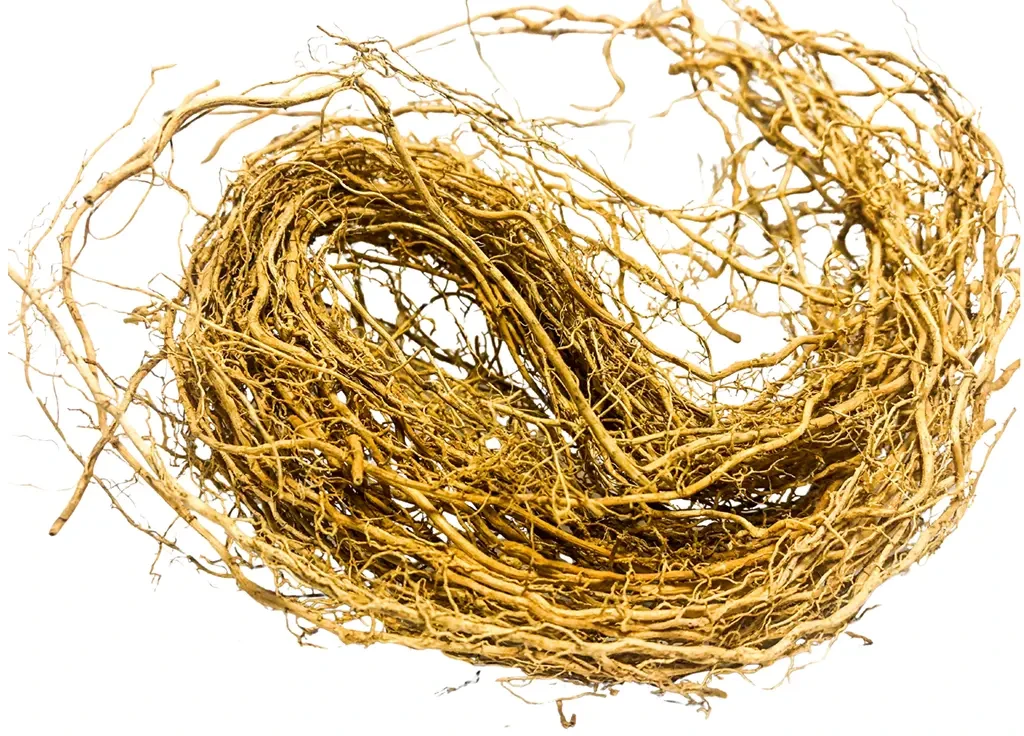
Vetiver
Vetiver essential oil is used for alleviating emotional stress, panic attacks and insomnia.
For anxiety, nervousness, or stressed feelings, use Vetiver as a topical application. Vetiver is rich in sesquiterpenes, which contain grounding and calming properties.
The incredibly warm, woody and earthy essence of Vetiver Oil is highly valued in aromatherapy, as it is known to encourage feelings of confidence and tranquillity. -
Vitamin E
Tocopherol
Protects oils against rancidity (oxidation), thus giving longevity to products. Ideal for using in massage oils, creams, lotions & balms. Cools and soothes dry skin irritation, helping to prevent and slow the signs of ageing.
Vitamin E is a well-known lipid-soluble antioxidant; it protects cell membranes and lipid-containing layers from oxidative (free radical) damage -

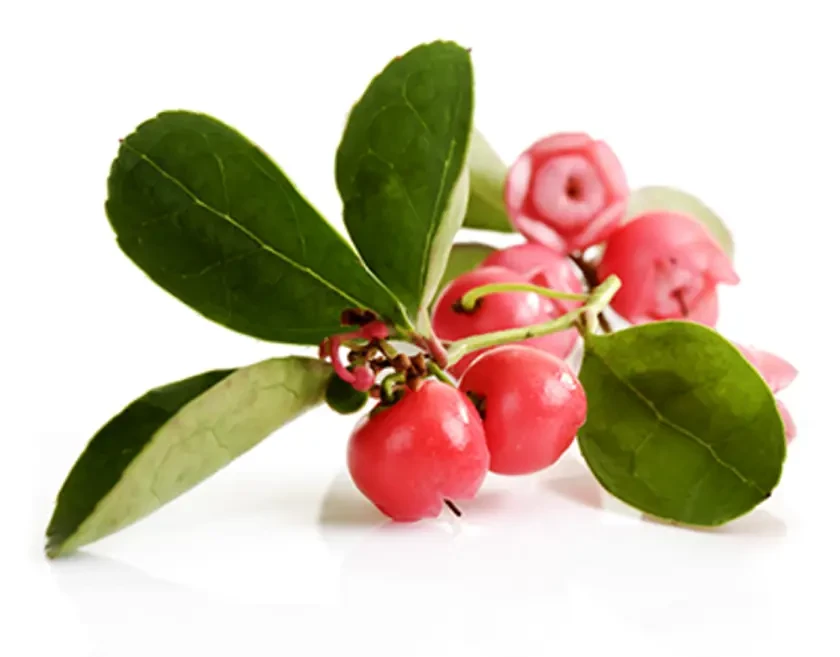
Wintergreen
Gaultheria Procumbens Leaf Oil
Wintergreen essential oil's main benefits include pain relief, anti-inflammatory properties, and easing muscle tension due to its high concentration of methyl salicylate. It is also used to support healthy respiratory function, improve circulation, and soothe stress.
Muscle and joint pain: It helps relieve pain from conditions like arthritis, rheumatism, tendinitis, and muscle cramps, particularly after physical exertion.
Analgesic properties: The methyl salicylate in wintergreen oil acts similarly to aspirin to reduce pain, swelling, and fever.
Warming effect: It provides a warming sensation to the skin, which can help soothe muscles. -

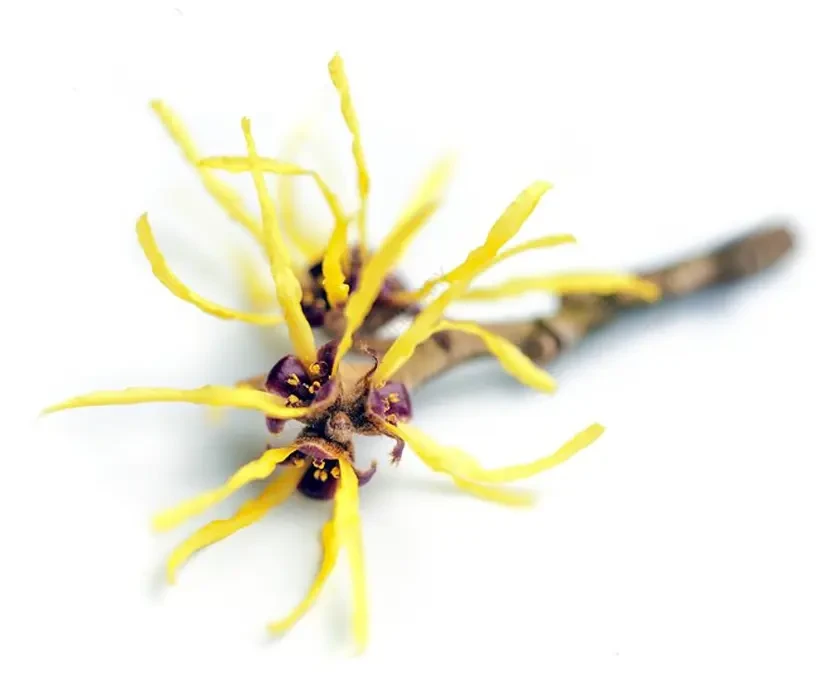
Witch Hazel
Hamamelis Virginiana Extract
Witch hazel oil offers benefits by acting as an astringent and anti-inflammatory to soothe various skin irritations, such as insect bites, sunburn, and razor burn. It also helps reduce oiliness and the appearance of pores, making it useful for acne-prone skin, and can temporarily relieve itching.
Soothes irritation: Temporarily relieves itching, discomfort, and inflammation from insect bites, sunburn, razor burn, and stings. -

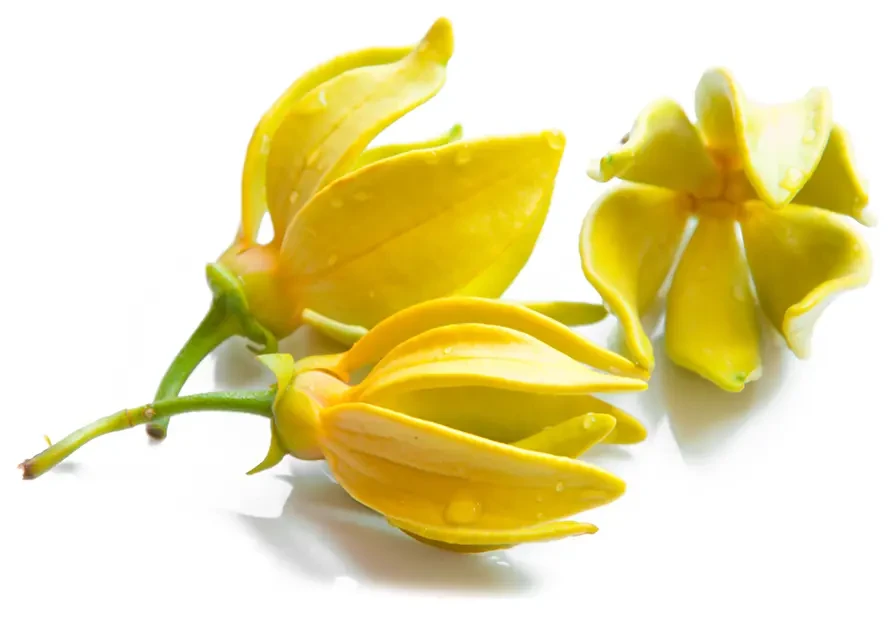
Ylang Ylang
Cananga Odorata Flower Oil
Ylang ylang essential oil benefits the skin by being an anti-inflammatory, antioxidant, and antimicrobial agent that can help soothe irritations, combat acne, reduce oiliness, and fight signs of aging. It helps balance sebum production, hydrates the skin, and can be used to cleanse wounds and prevent premature aging by fighting free radicals.
Balances oil production: Despite being an oil, ylang ylang helps regulate the skin's natural oil (sebum) production, making it beneficial for both oily and dry skin types.
Soothes irritation: Its anti-inflammatory properties can help reduce redness, puffiness, and irritation associated with conditions like acne or minor eczema flare-ups.
Combats acne and blemishes: Ylang ylang's antibacterial and antimicrobial properties can help clear pimples and reduce the inflammation associated with breakouts.
Hydrates and moisturizes: It can help nourish dry skin and lock in moisture, leading to a more hydrated complexion.
Anti-aging properties: The antioxidants in ylang ylang help protect the skin from oxidative stress and free radicals that cause premature aging, promoting healthier, more youthful-looking skin.
Promotes wound healing: It can be used to cleanse minor wounds, cuts, and bites due to its antiseptic properties. -

Zinc Oxide
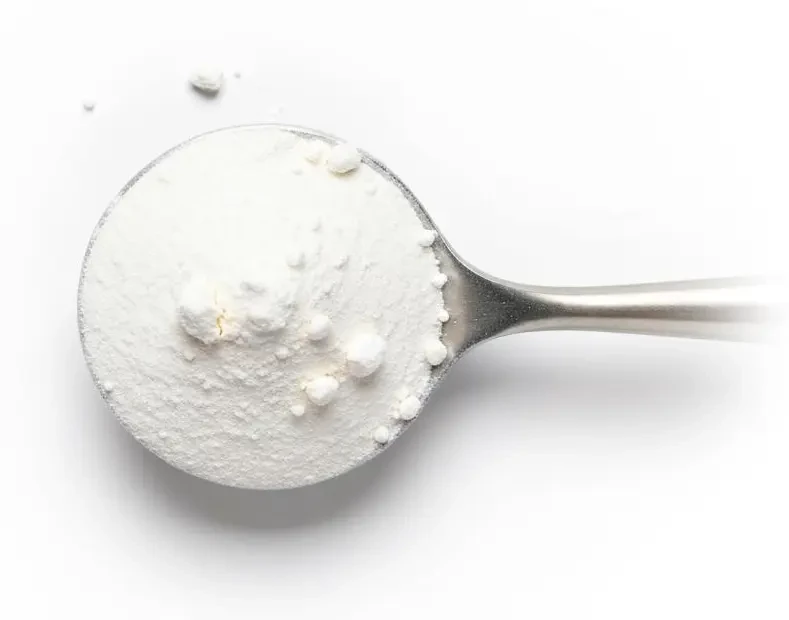
Zinc in SPF provides broad-spectrum UV protection by creating a physical barrier on the skin that reflects and scatters UVA and UVB rays, preventing sunburn, premature aging, and sun damage. It's also beneficial for those with sensitive or acne-prone skin, as it is soothing, non-irritating, and won't clog pores.
Zinc oxide acts as a physical mineral sunscreen, protecting against both UVA (aging) and UVB (burning) rays.
It works instantly by forming a protective layer that reflects and scatters UV radiation, unlike chemical sunscreens that need to be absorbed into the skin first.
Zinc oxide is non-irritating and well-tolerated by most skin types, including sensitive